CONQUEST

The Art

Gallery

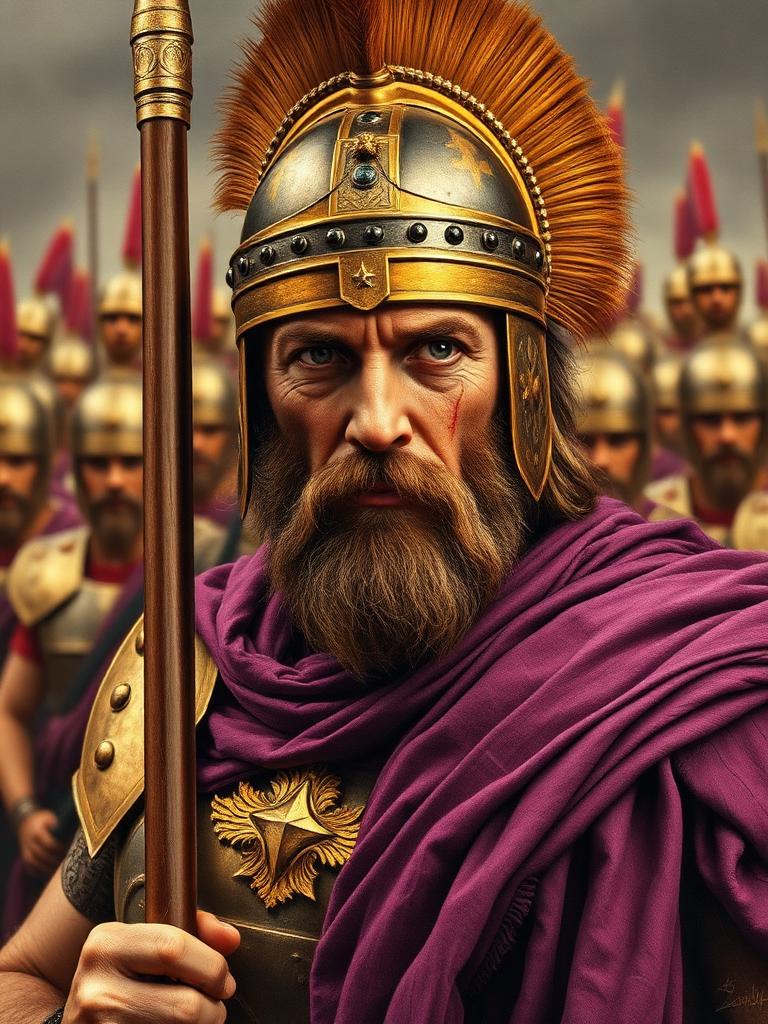
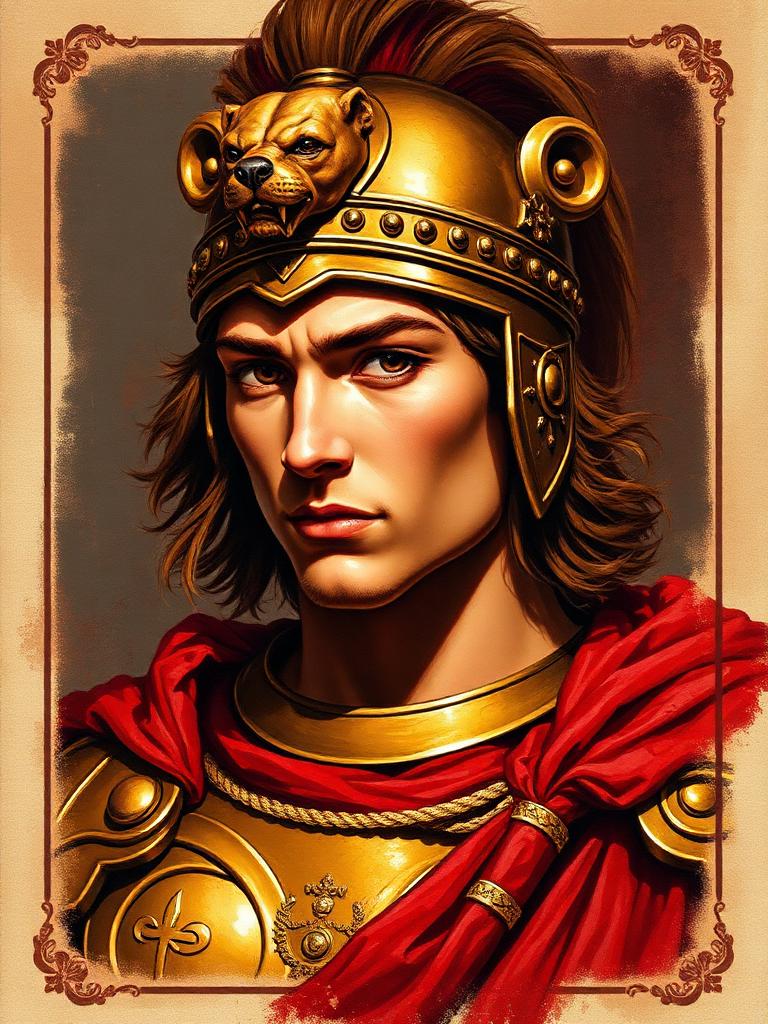
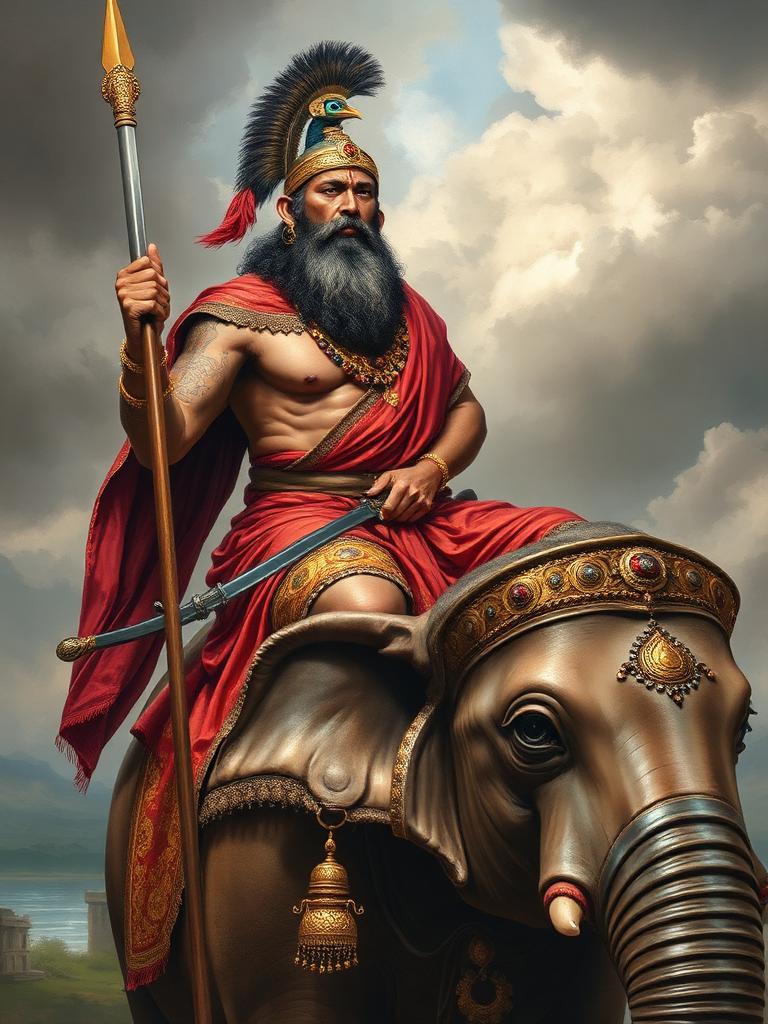
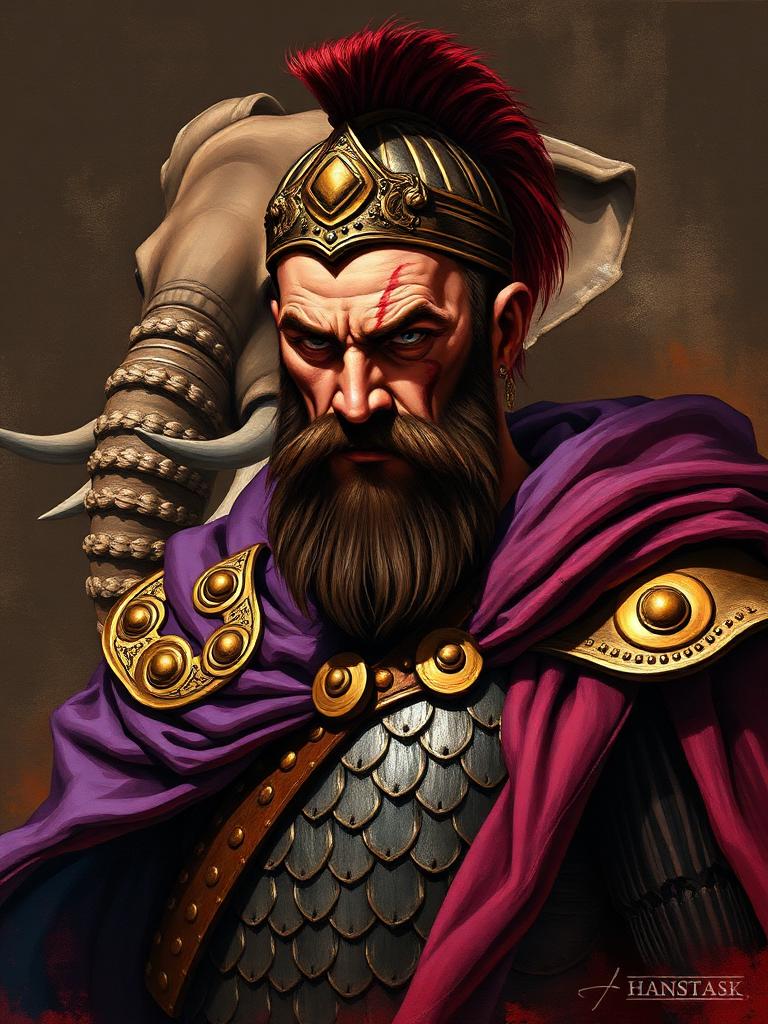
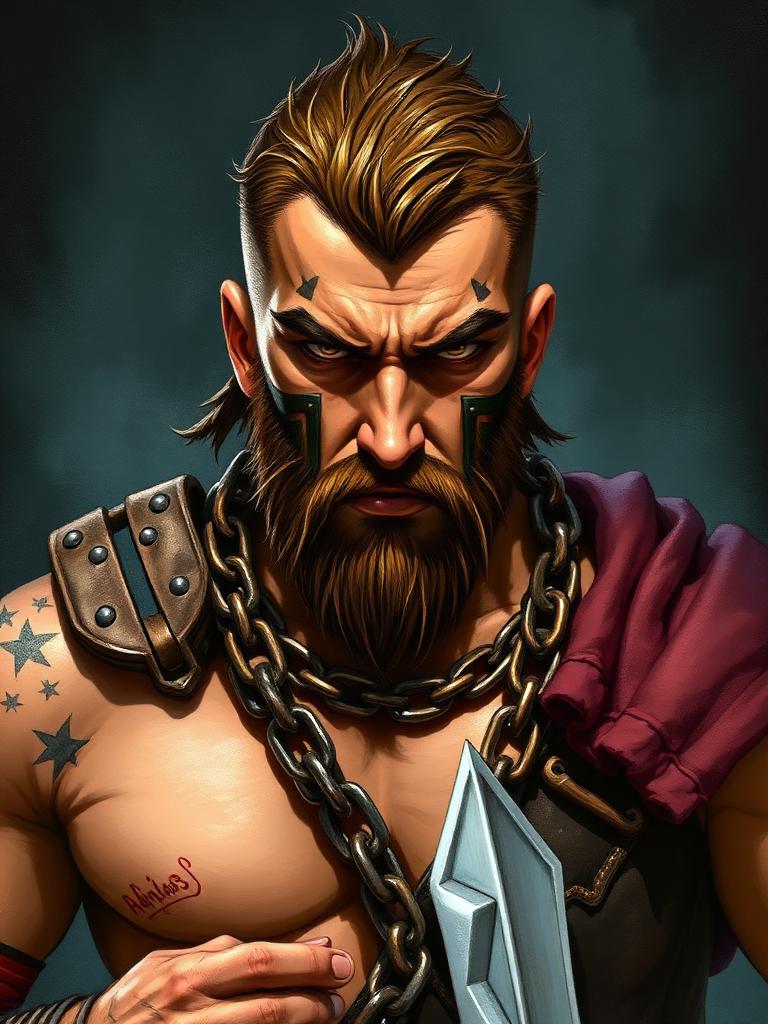
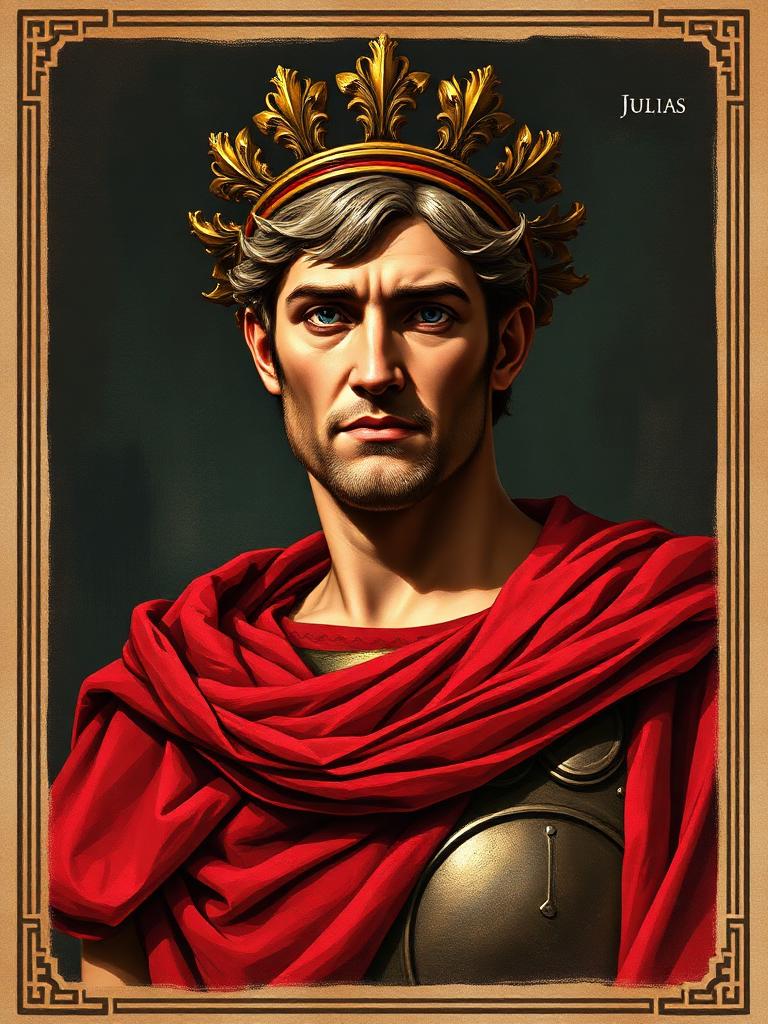
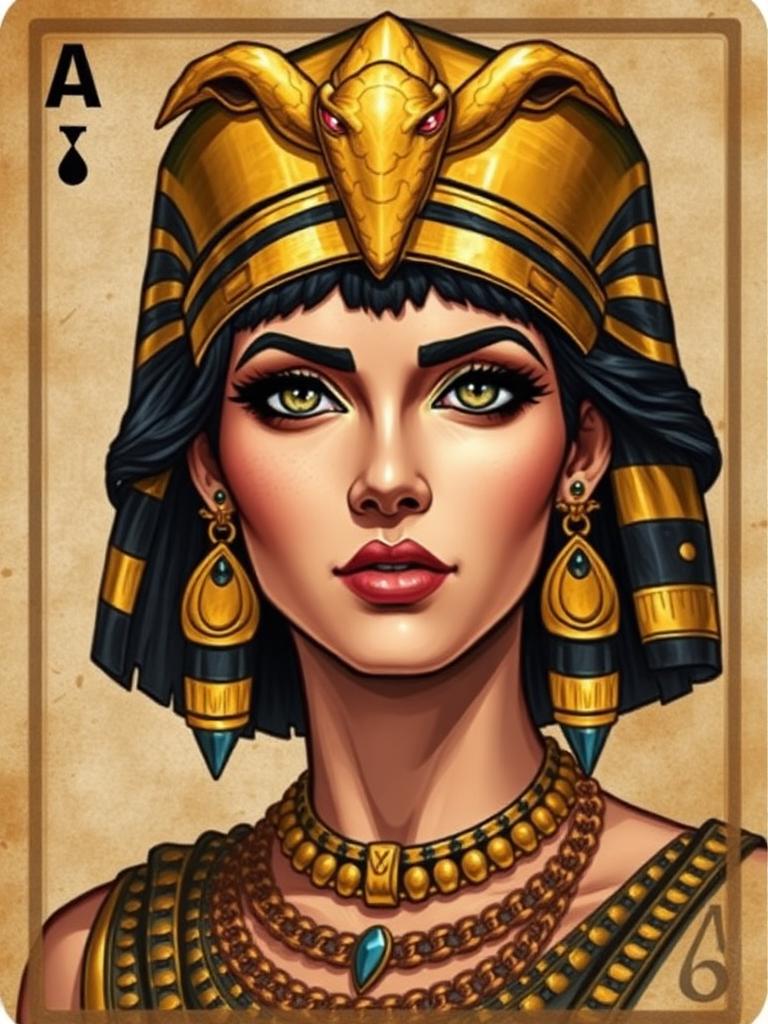
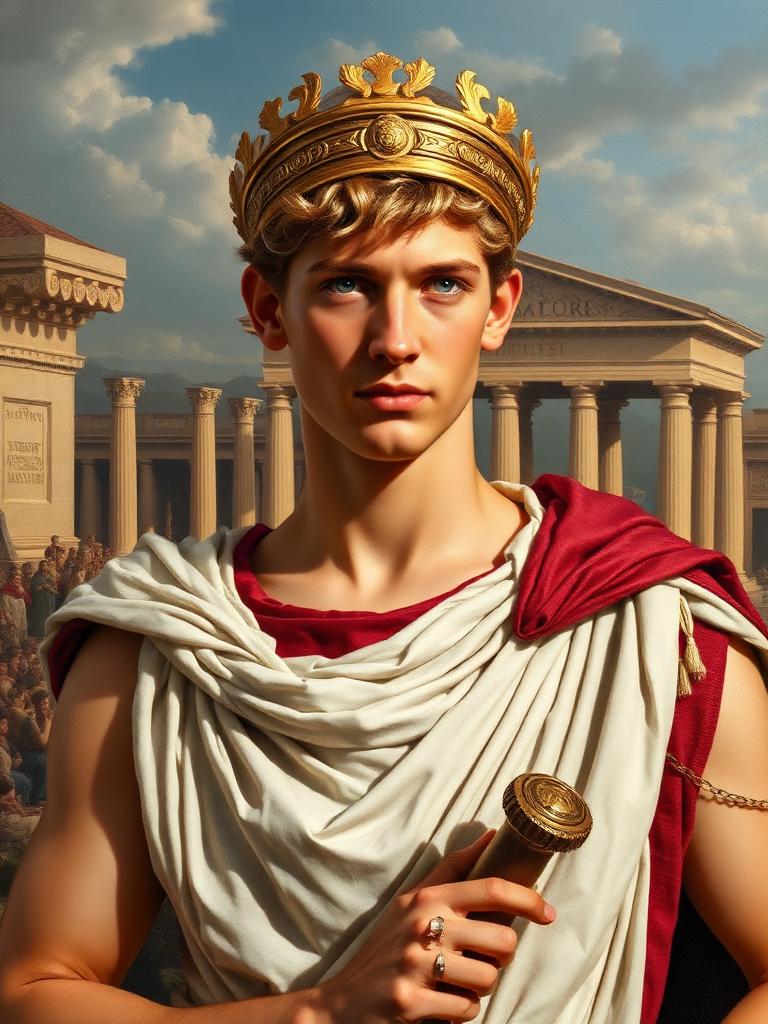
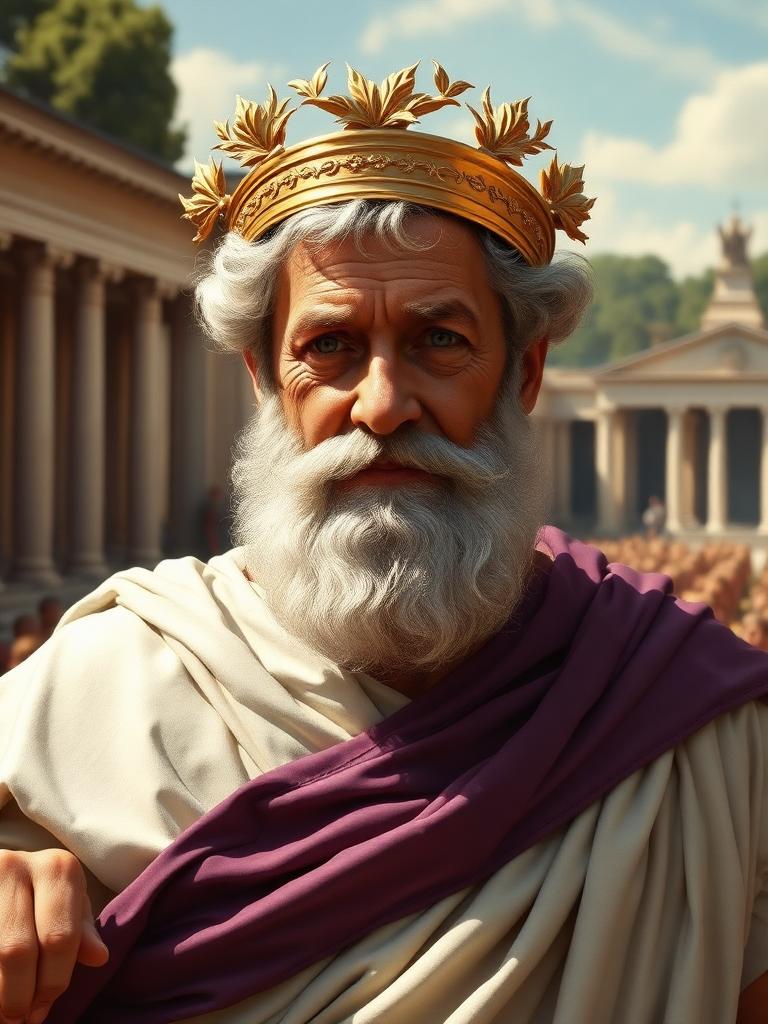
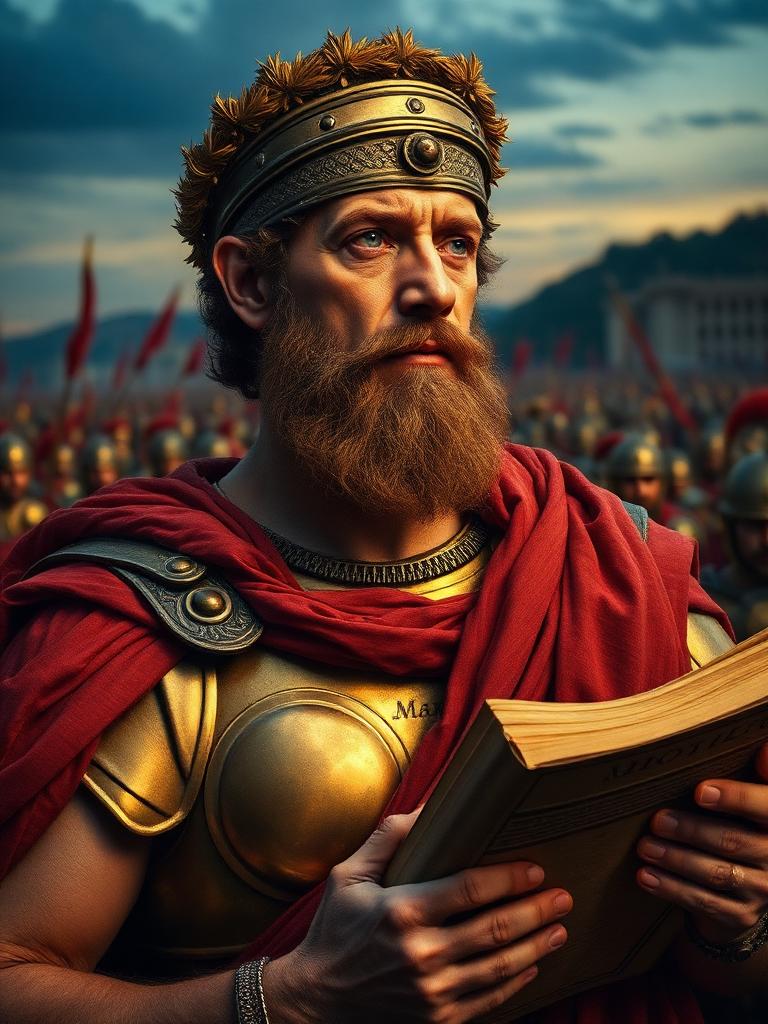
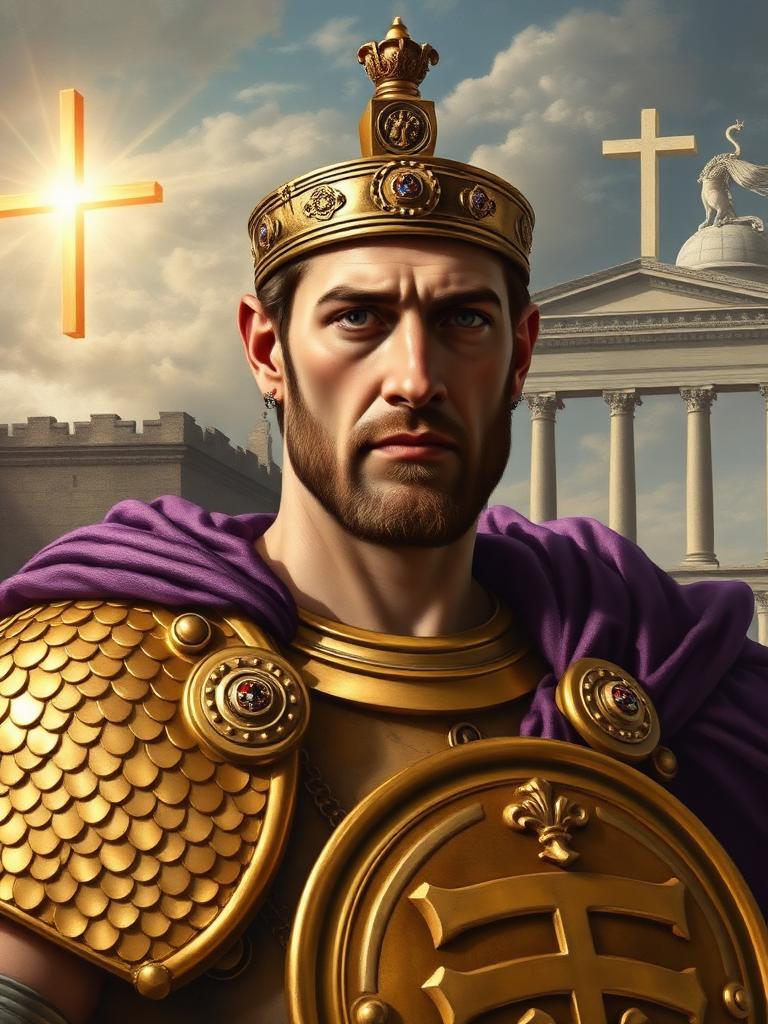
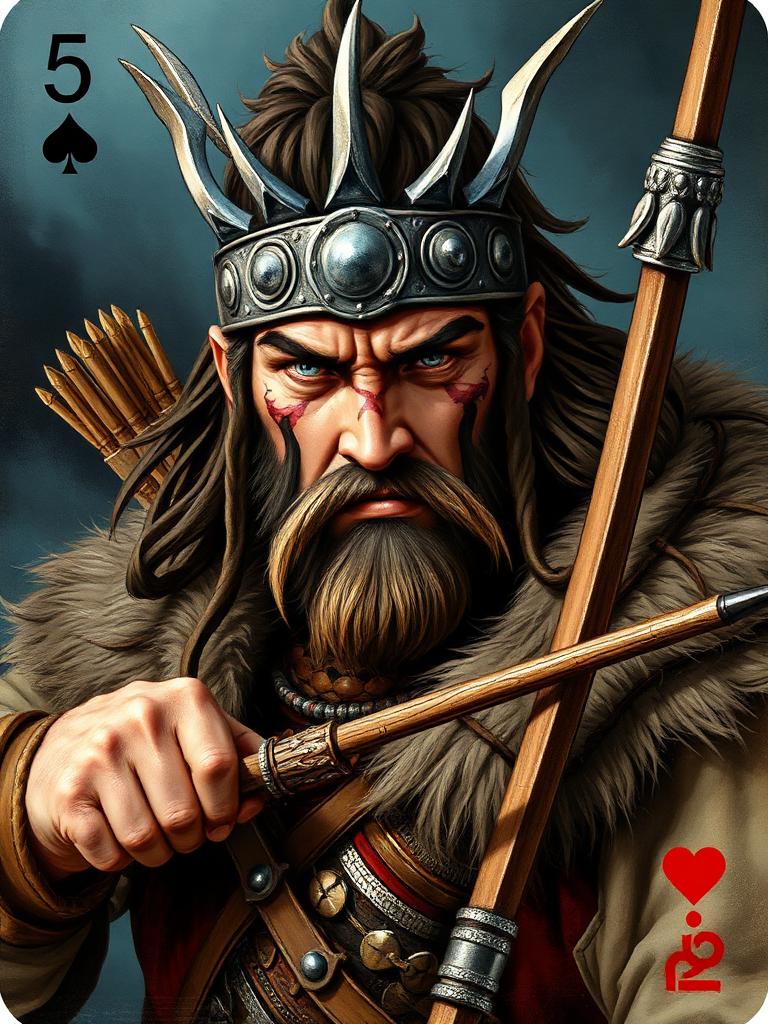
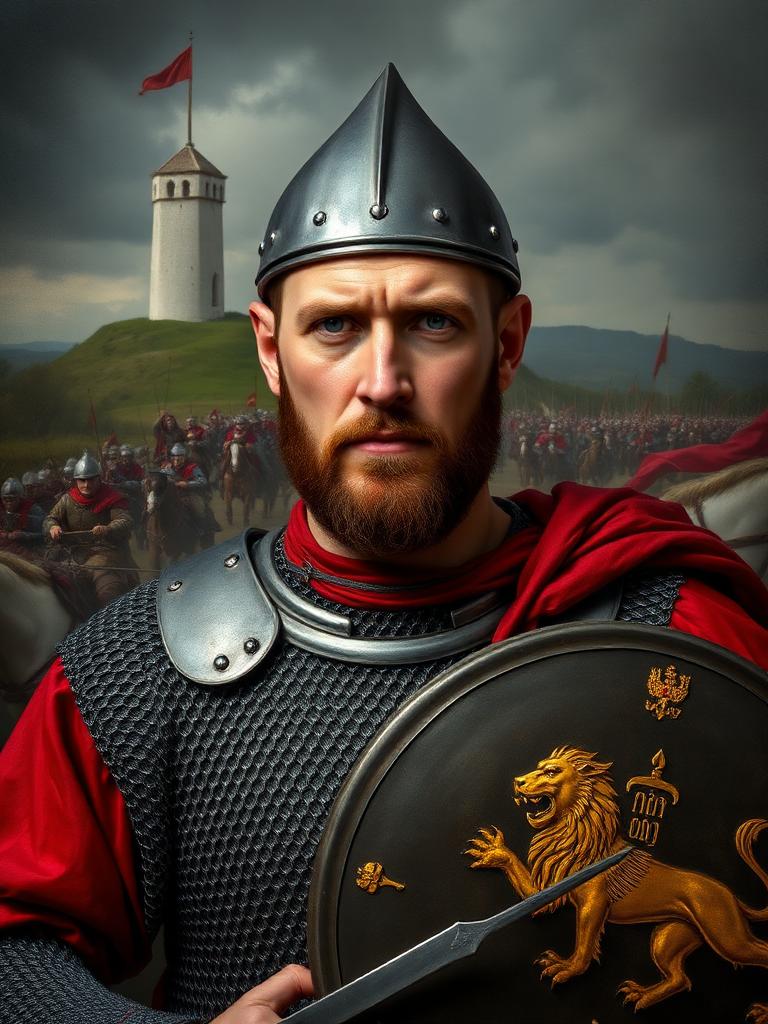
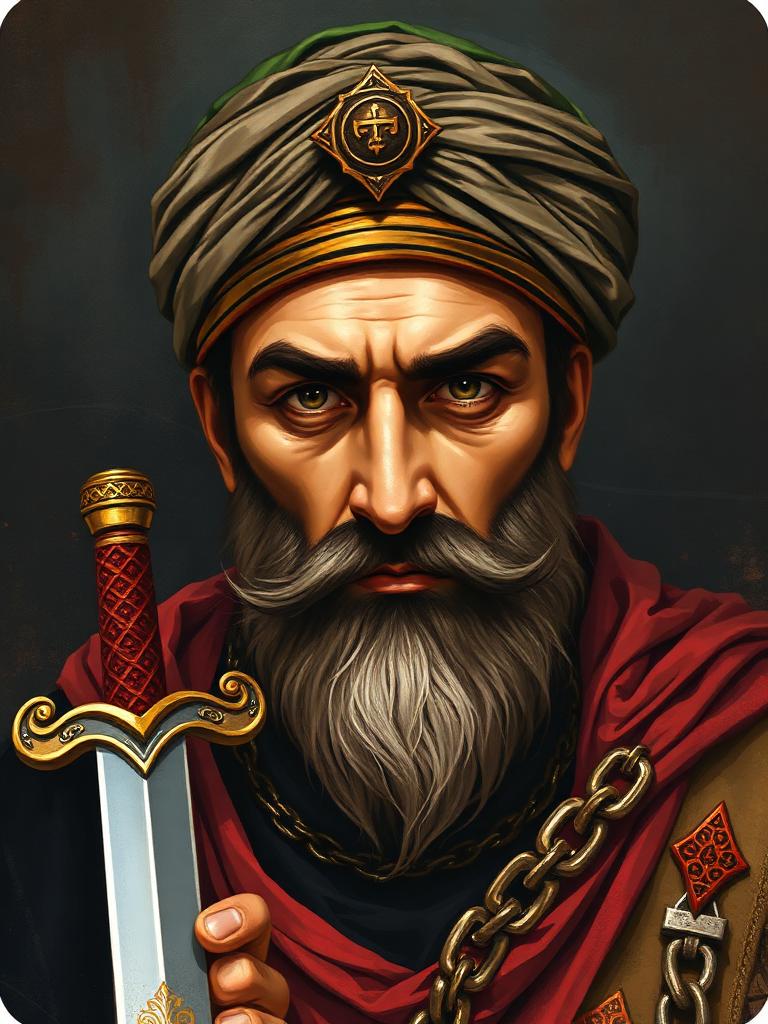
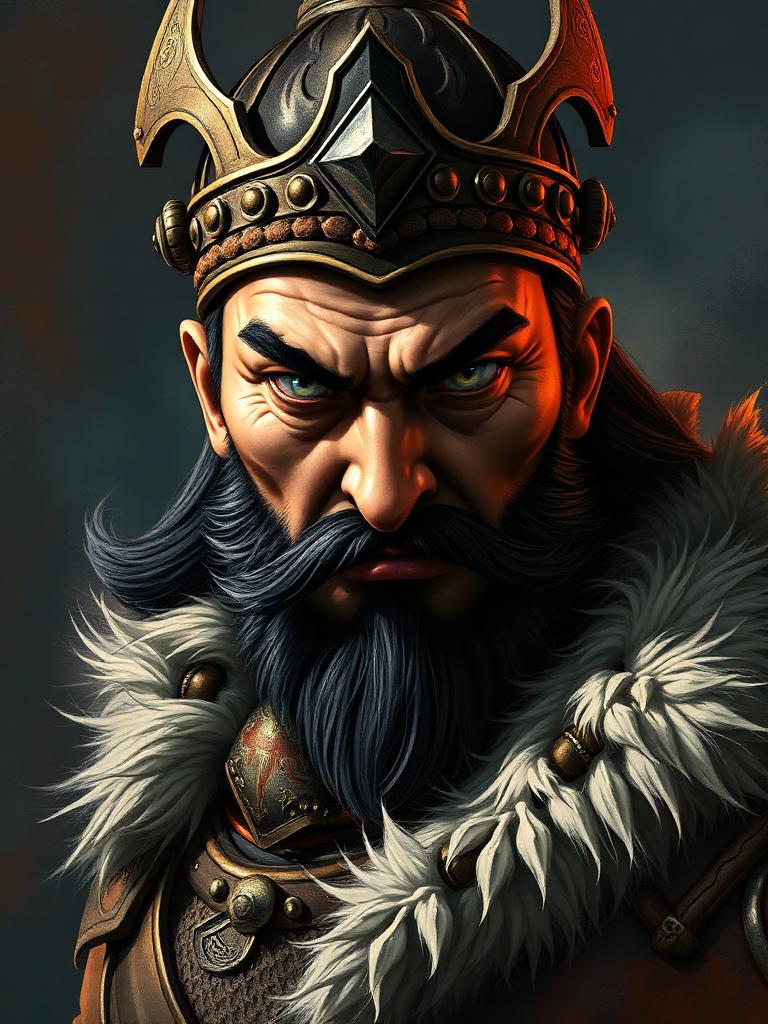
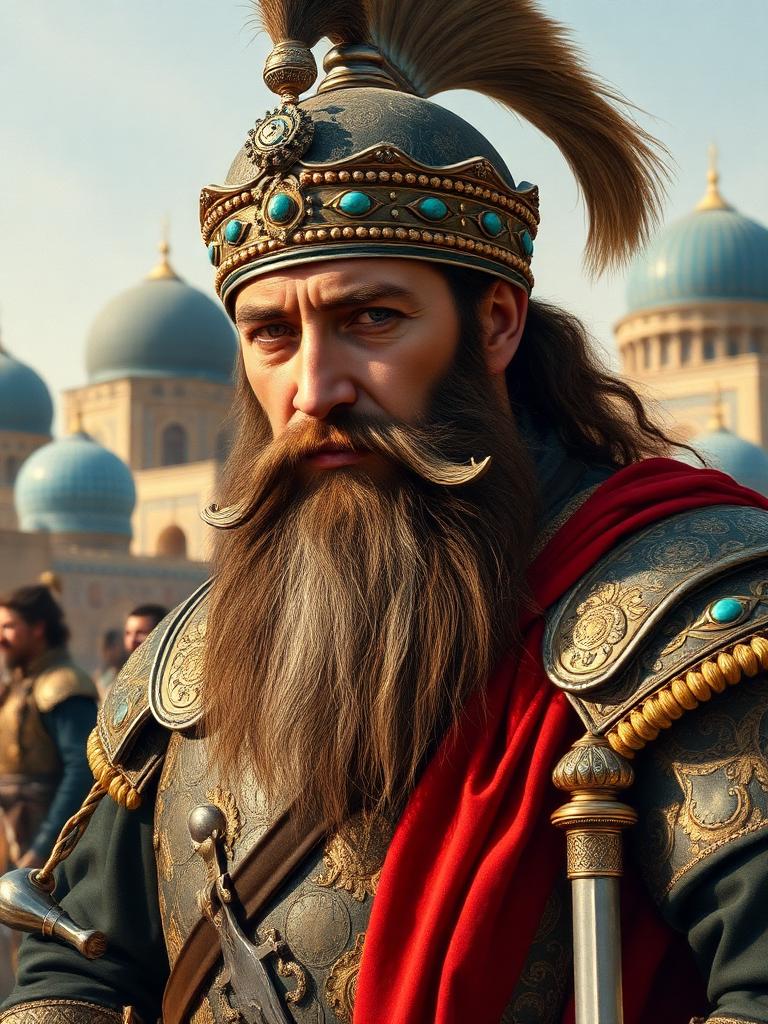
Every commander, every banner, every blade — illustrated by hand.

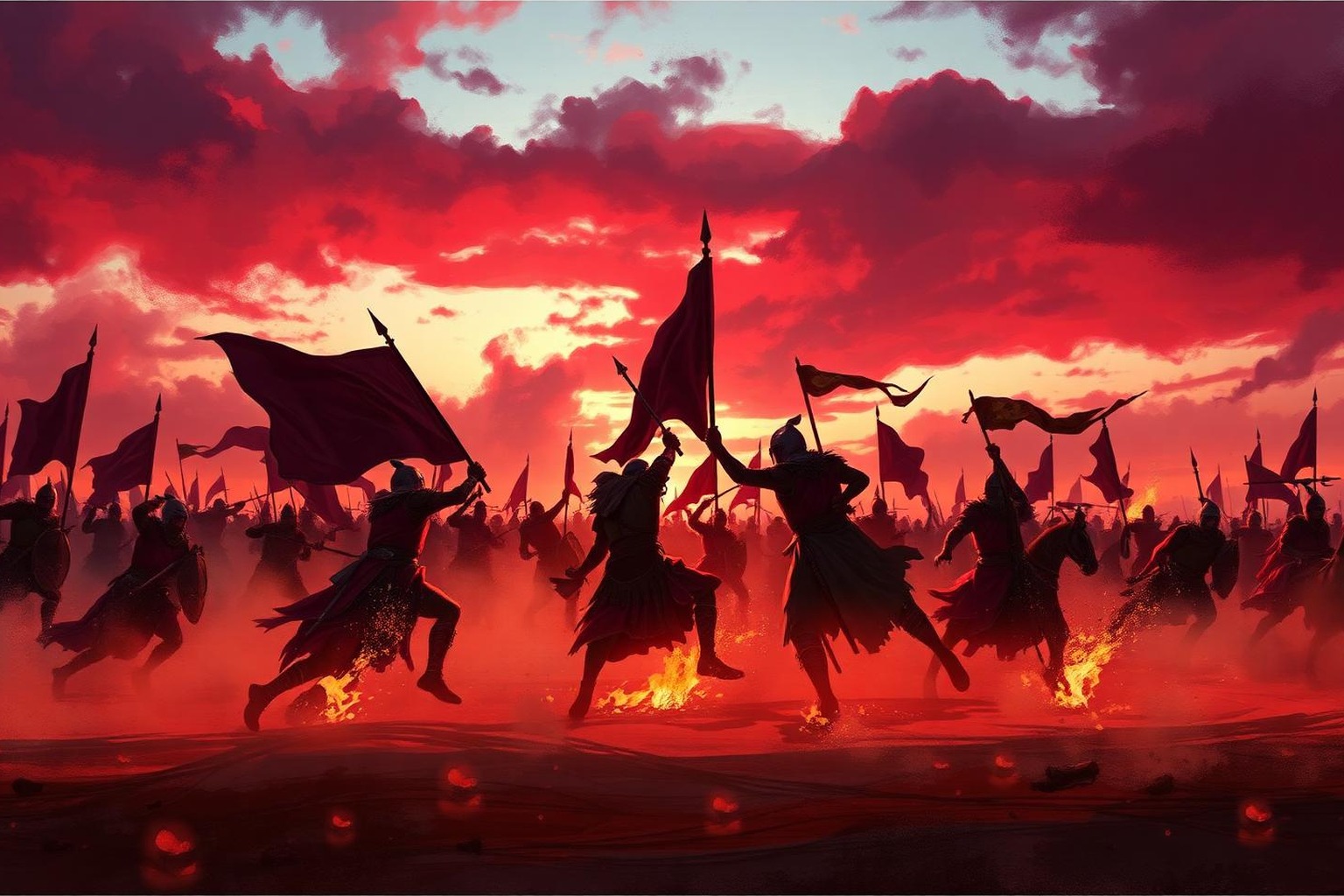
Armies clash beneath a crimson sky

The Commanders

Each leads a starter deck. Read who they were — and why history still salutes them.

Every commander

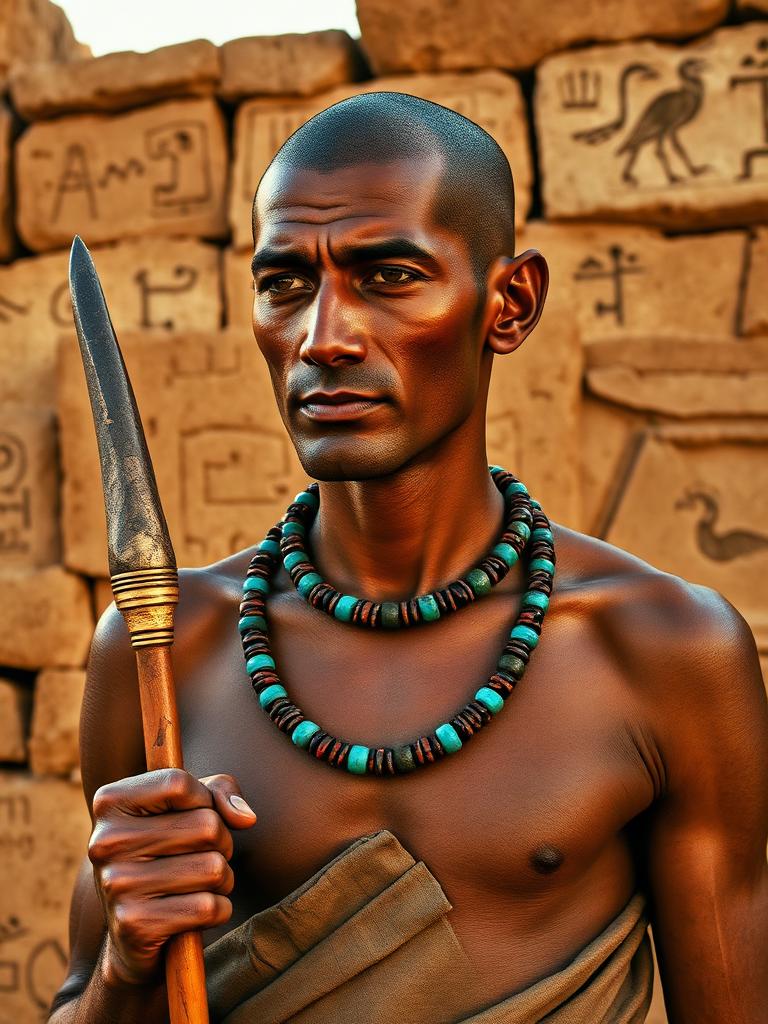
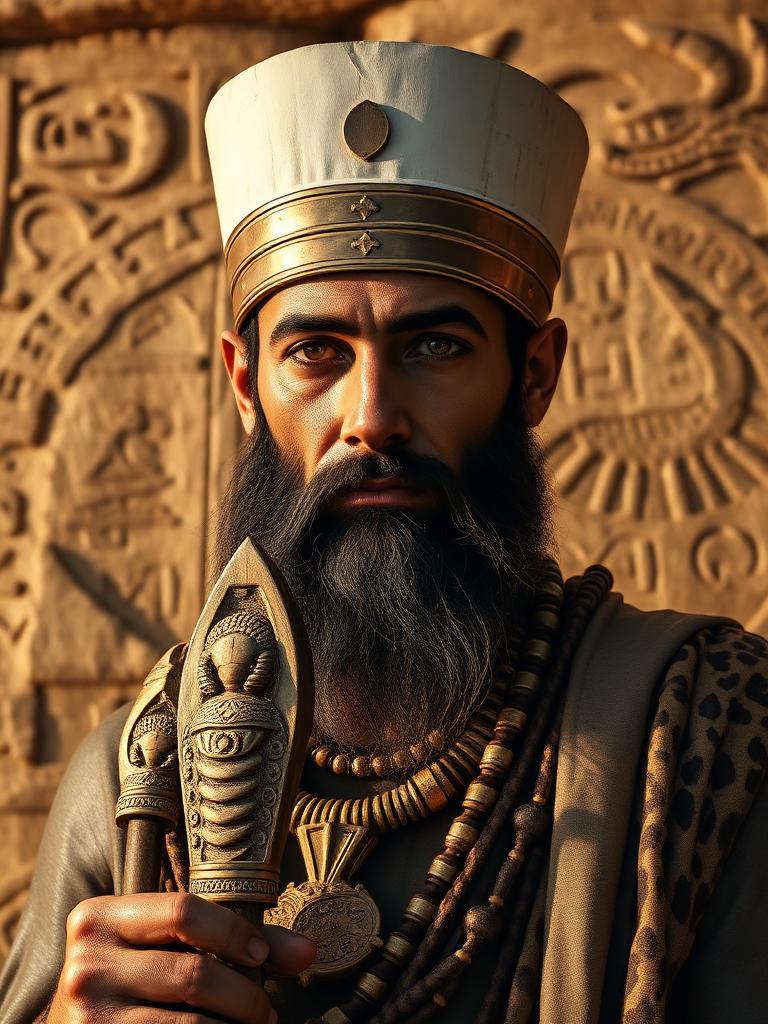
Iry-Hor — First Named King of the Nile
Coming Soon
c. 3200 BCE

Iry-Hor

"First Named King of the Nile"

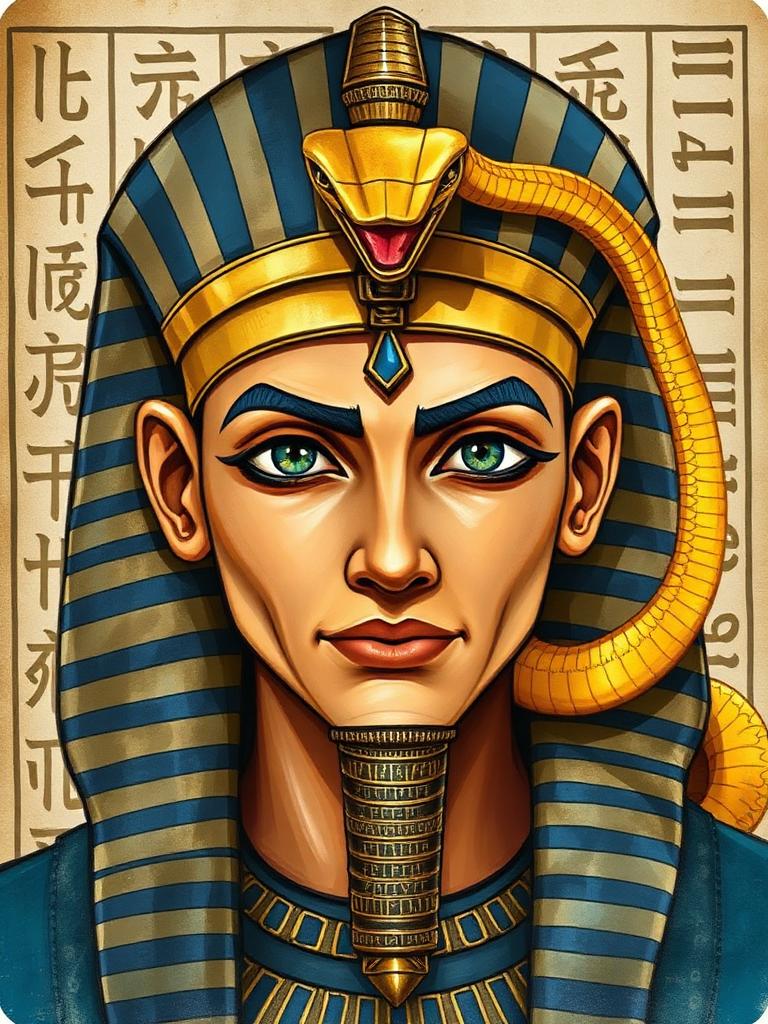
Pre-dynastic Egyptian king (c. 3200 BCE) and arguably the earliest named monarch in human history. His falcon (Hor) glyph survives on rough pottery and rock inscriptions from Abydos to Sinai — the first signature of personal rule, scratched into the dawn of writing itself.

Playing Style · Founding Banner

Earliest named king on the board. Plant the falcon standard and every nearby unit gains permanent +1 morale.
Scorpion I — Mace of Upper Egypt
Coming Soon
c. 3150 BCE

Scorpion I

"Mace of Upper Egypt"

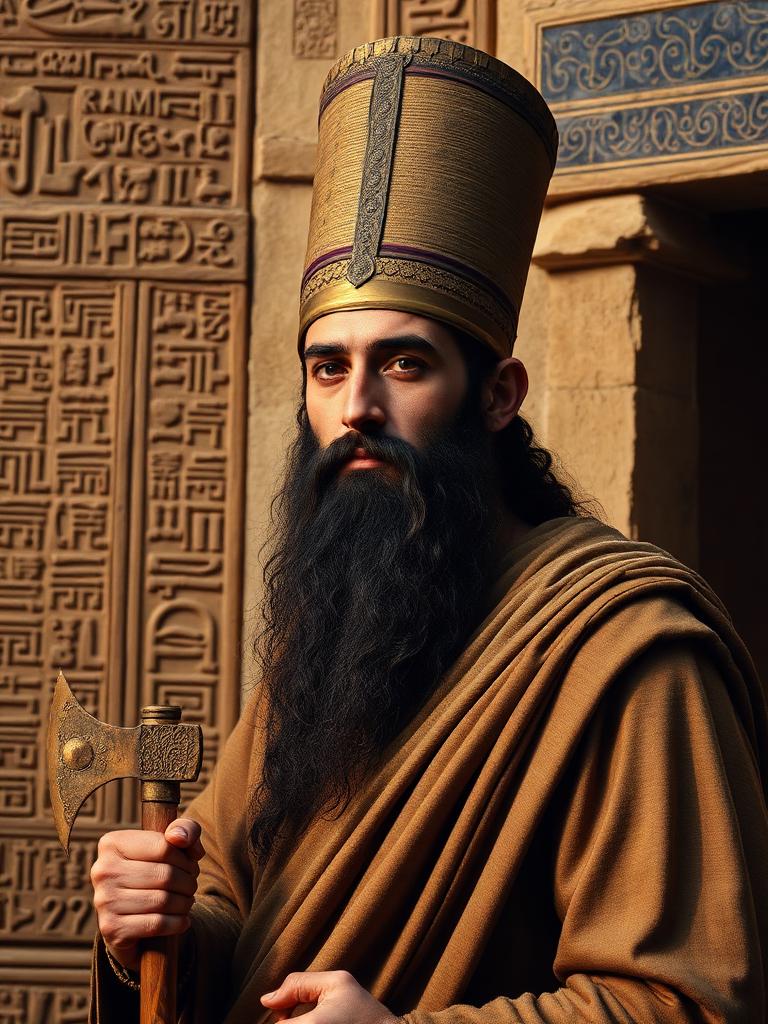
Pre-dynastic ruler of Upper Egypt (c. 3150 BCE), among the earliest documented kings with surviving archaeological evidence — pottery jars, ivory tags and the great limestone Scorpion Macehead found at Hierakonpolis. He laid the groundwork for the unification of the Two Lands a generation later.

Playing Style · Mace of Kingship

Strike-first ceremonial mace: the first attack each turn pierces armour and cannot be blocked by traps.

Enmebaragesi — King of Kish
Coming Soon
c. 2600 BCE

Enmebaragesi

"King of Kish"

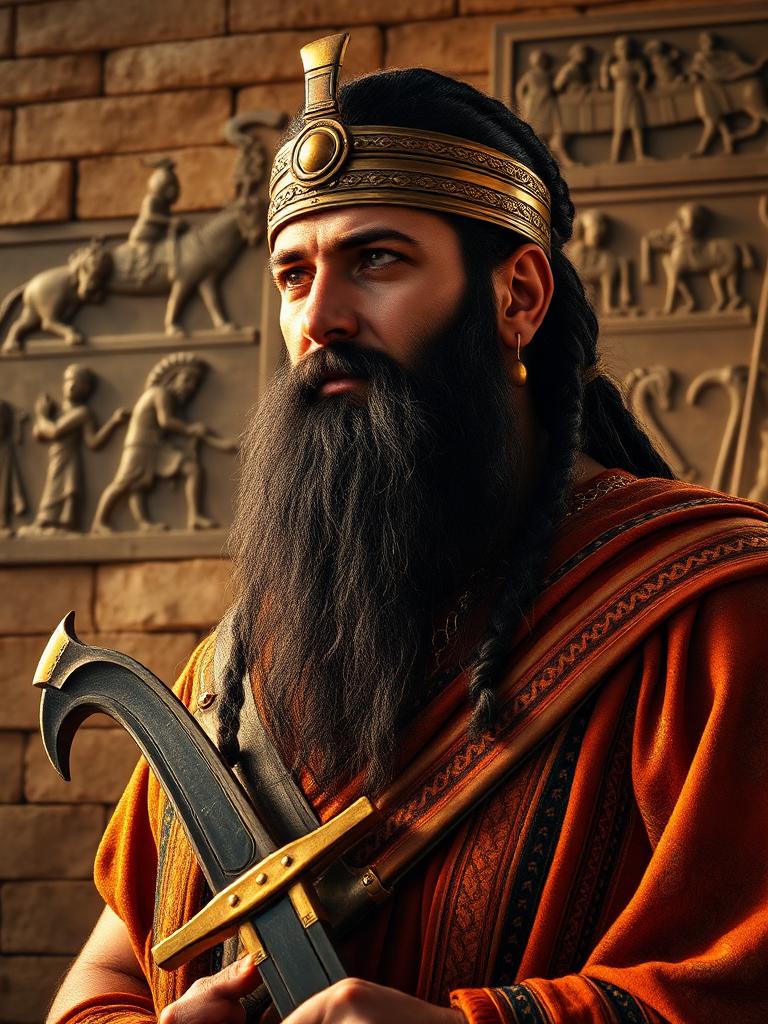
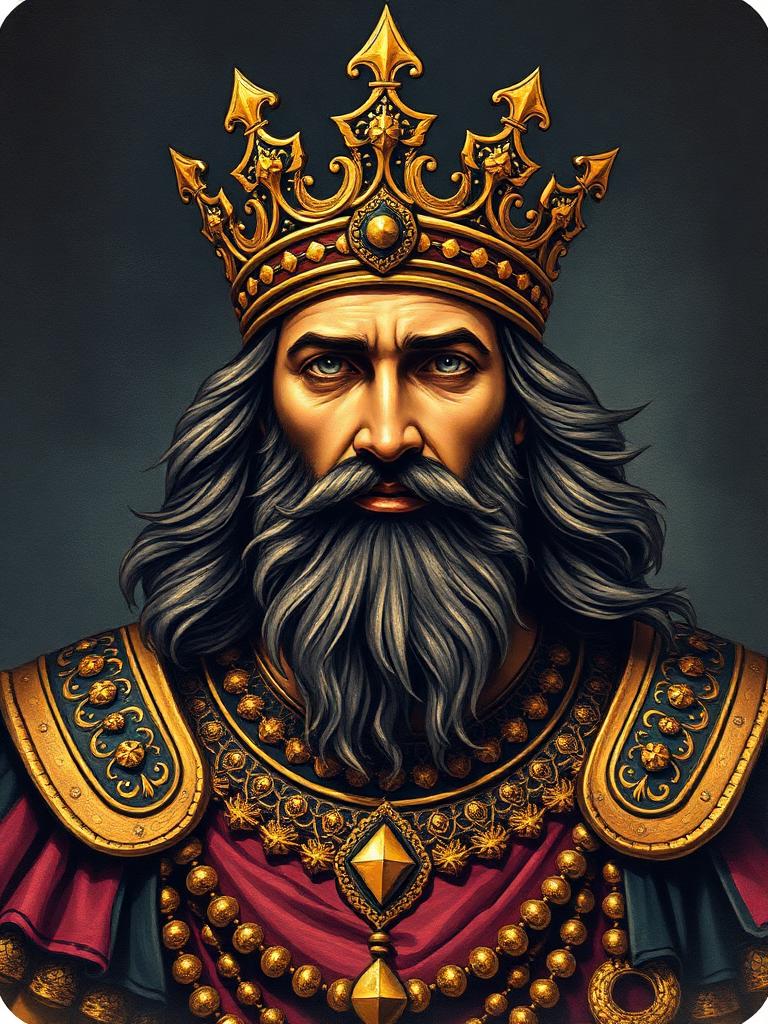
Sumerian en of Kish (c. 2600 BCE), often called the first 'historical' ruler — the earliest king whose name appears on contemporary, non-legendary artifacts. Defeated Elam, built the temple of Enlil at Nippur, and stepped out of the realm of myth into the documented record of kings.

Playing Style · Cuneiform Codex

Records every play: each enemy tactic resolved adds a copy to your discard, ready to be replayed next turn.

Sargon of Akkad — First Emperor of the World
Coming Soon
c. 2334 BCE

Sargon of Akkad

"First Emperor of the World"

Founder of the Akkadian Empire (r. c. 2334–2279 BCE) and the first ruler in history to weld dozens of independent city-states into a single empire stretching from the Persian Gulf to the Mediterranean. Invented the imperial template — standing army, appointed governors, royal road — that every successor empire would copy for the next 4,000 years.

Playing Style · Empire Builder

First true empire — captured city-states stay captured. Each one feeds CP and unlocks Akkadian veterans.

Ramses II — Ozymandias
Coming Soon
1303–1213 BCE · Egypt

Ramses II

"Ozymandias"

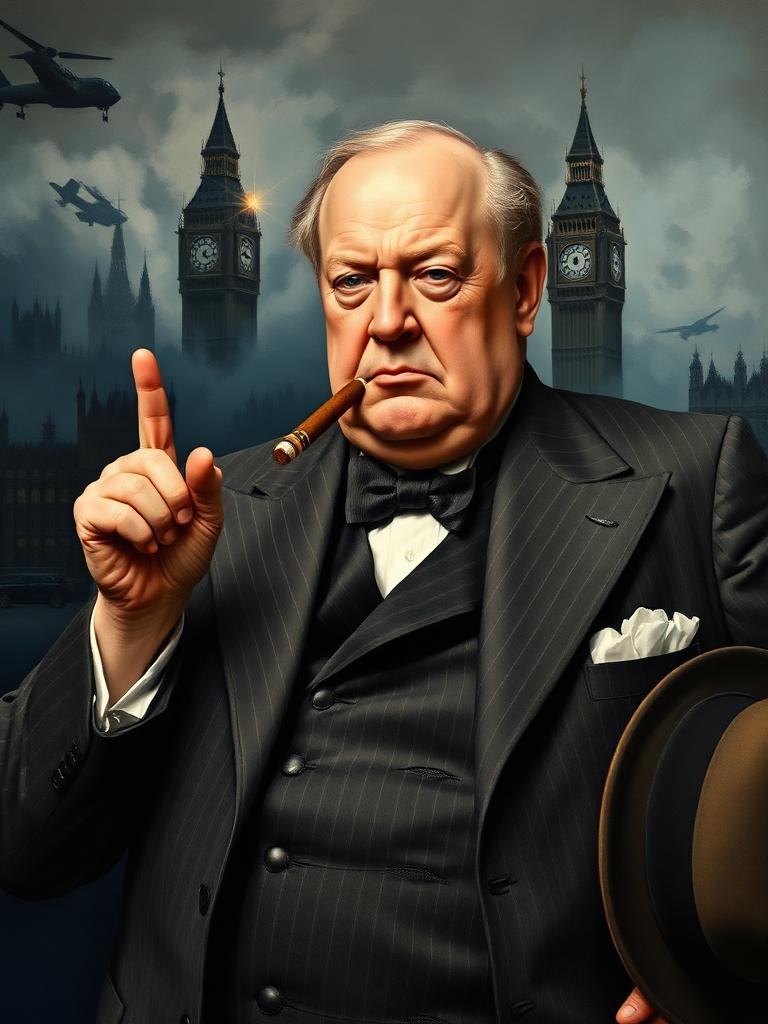
Ramses II 'the Great' ruled Egypt for 66 years (1279–1213 BCE), fought the Hittites to a stalemate at Kadesh — history's earliest documented great battle — and signed the world's first surviving peace treaty. Master propagandist who carved his victories into half the temples of the Nile.
Playing Style · Endurance Builder

Long-game economy. Stack temples and monuments for cumulative buffs that make late turns unbeatable.
Tiglath-Pileser III — The Iron King of Assyria
Coming Soon
c. 745 BCE
Tiglath-Pileser III

"The Iron King of Assyria"

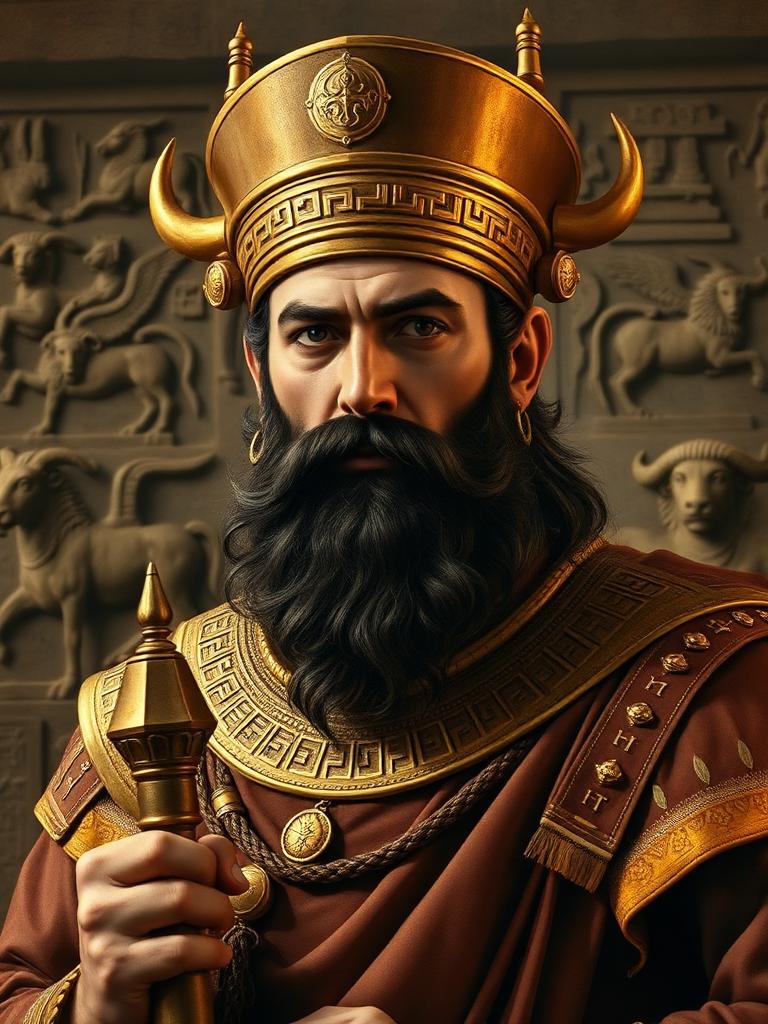
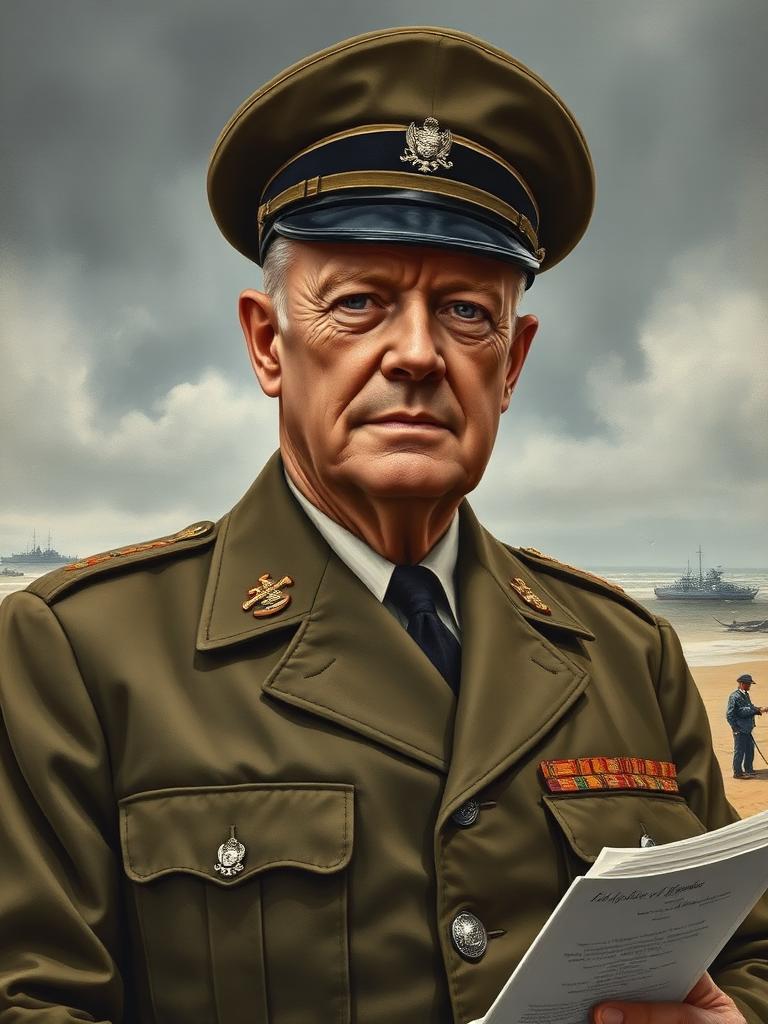
King of Assyria (r. 745–727 BCE) who rebuilt a crumbling realm into the first true world empire. Invented the standing professional army, the imperial postal road, and the policy of mass deportation that bound conquered peoples into a single state. Every later empire — Persian, Roman, British — borrowed his template.

Playing Style · Standing Army

Persistent units that don't return to hand. Pay once, fight forever — the empire grinds you down.

Ashurbanipal — The Last Great Assyrian
Coming Soon
c. 669 BCE

Ashurbanipal

"The Last Great Assyrian"

King of Assyria (r. 669–631 BCE), warrior-scholar who sacked Thebes, crushed Elam, and held an empire stretching from the Nile to the Zagros. Literate in Akkadian and Sumerian, he assembled the library at Nineveh — 30,000 tablets that preserved the Epic of Gilgamesh and most of what we know of Mesopotamia.

Playing Style · Library Combo

Draw, scry, and assemble specific tactic combos — a toolbox deck for the patient.

Nebuchadnezzar II — The Builder of Babylon
Coming Soon
c. 605 BCE

Nebuchadnezzar II

"The Builder of Babylon"

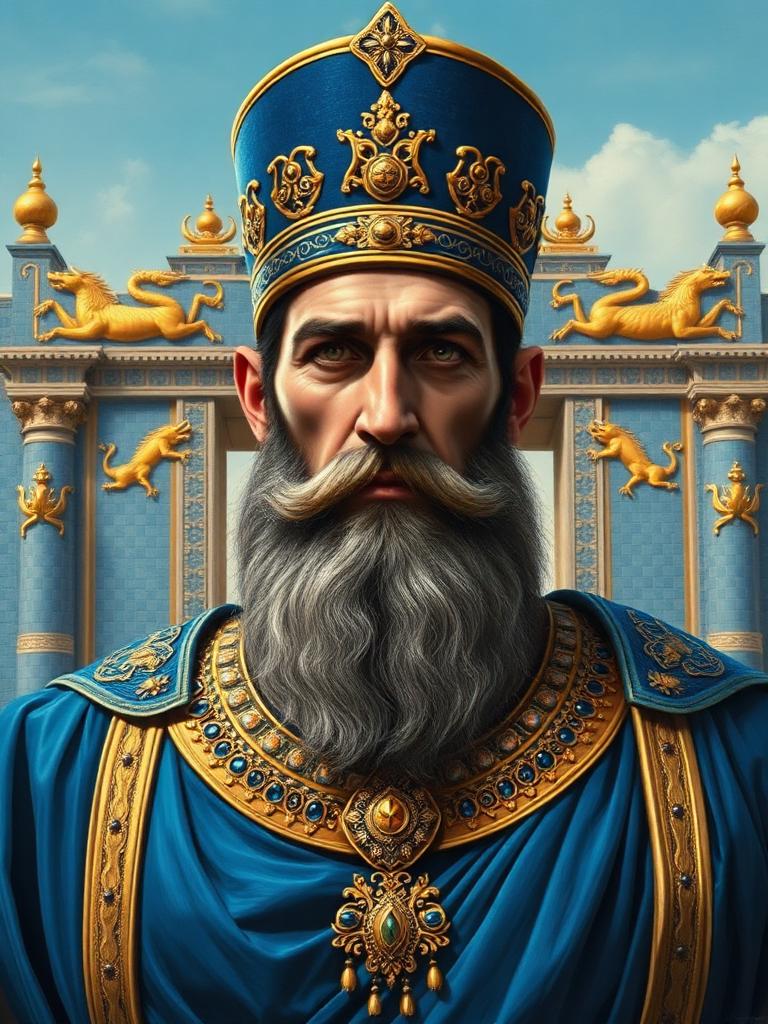
Chaldean king of Babylon (r. 605–562 BCE). Smashed the Egyptians at Carchemish, sacked Jerusalem, exiled the Jews, and raised the Hanging Gardens and the Ishtar Gate — wonders of the ancient world. Under him Babylon became the largest city on earth and the cultural capital of the Near East.

Playing Style · Fortress Control

Build the walls of Babylon: stacking territory defence that punishes every attack.

Cyrus — Father of Persia
Coming Soon
600–530 BCE · Persia

Cyrus

"Father of Persia"

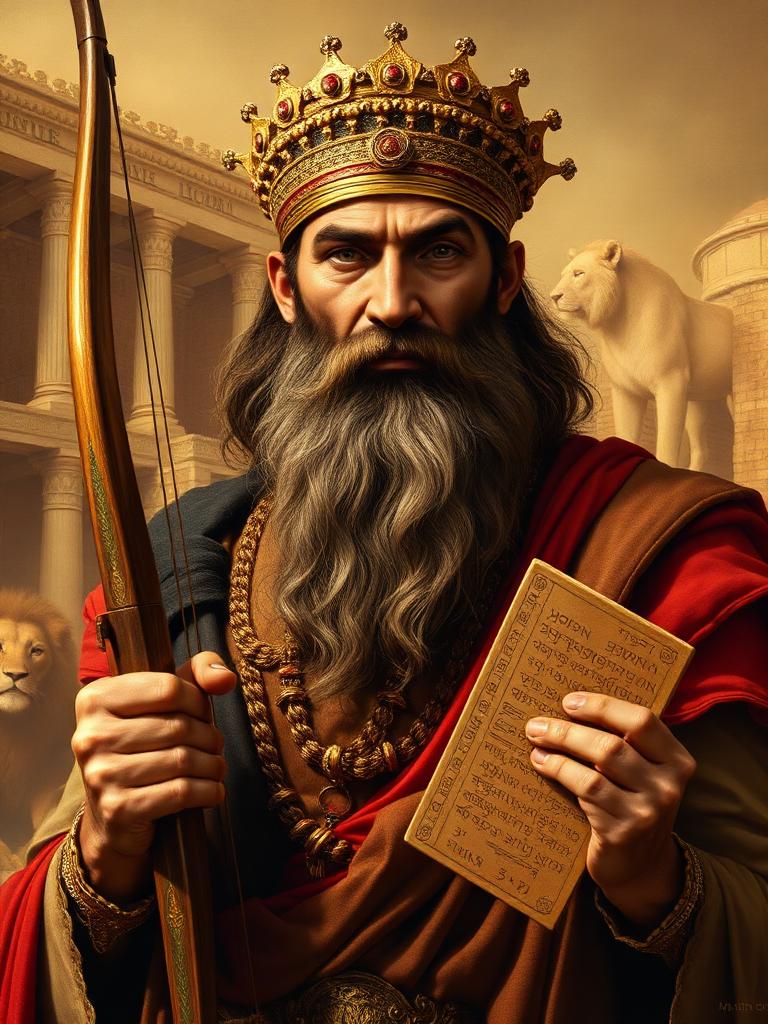
Founder of the Achaemenid Empire (c. 600–530 BCE) and the first ruler to forge a state stretching from the Aegean to the Indus. Unique for his policy of religious tolerance — freeing the Jews from Babylon and codifying the rights of conquered peoples on the Cyrus Cylinder, often called the world's first charter of human rights.

Playing Style · Diplomatic Toolbox

Bend allegiance: capture territories, convert enemy units, and win on map control rather than kills.

Sun Tzu — Master of War
544–496 BCE · Wu

Sun Tzu

"Master of War"

Starter Deck · Available at Launch

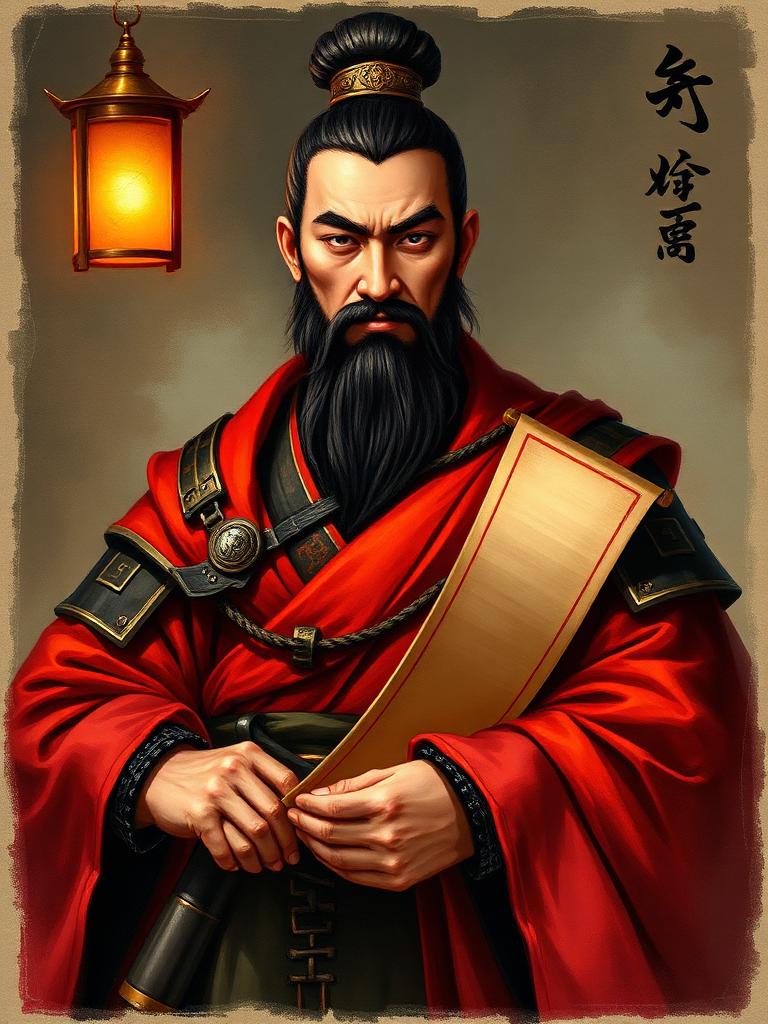
Sun Tzu (c. 544–496 BCE), Chinese general and philosopher of the Eastern Zhou period, served the King of Wu and authored The Art of War — the oldest surviving treatise on strategy and still required reading at West Point and in every boardroom that takes competition seriously. He elevated war from butchery to a discipline of deception, terrain, intelligence and timing.

Playing Style · Control / Deception

Win without fighting: counter-tactics, recall enemy units, and turn the opponent's plan against them.

Leonidas — King of Sparta
540–480 BCE · Sparta

Leonidas

"King of Sparta"

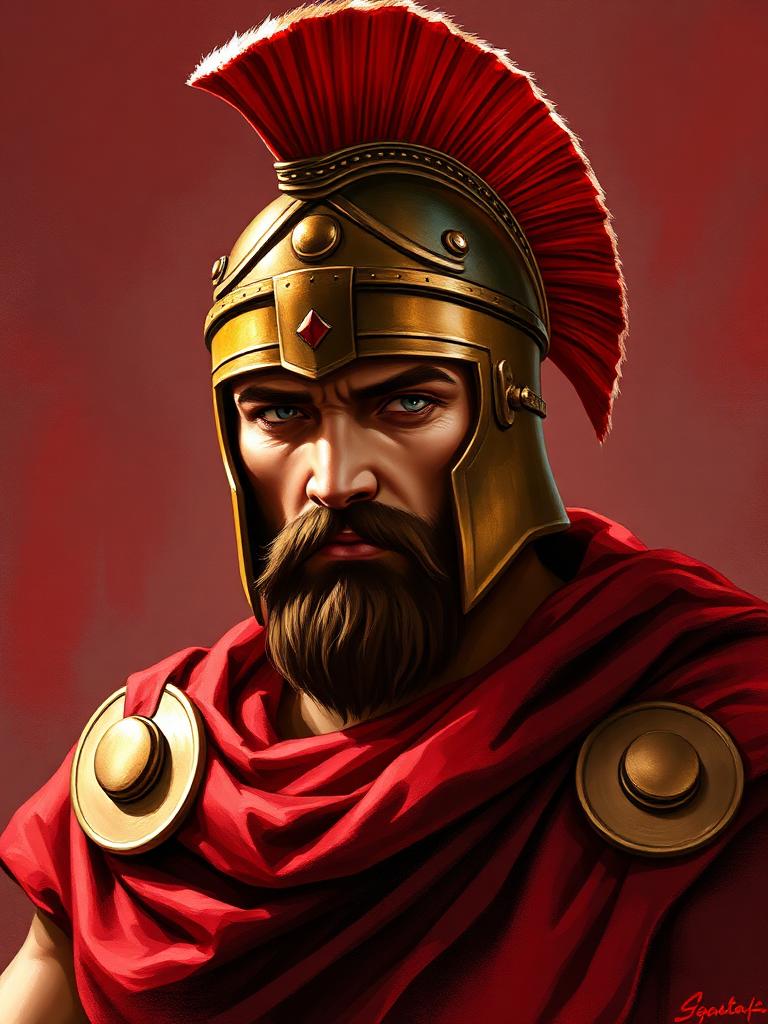
King of Sparta who, in 480 BCE, led 300 Spartan hoplites and a few thousand allies to hold the narrow pass of Thermopylae against Xerxes' Persian host. He chose death over retreat, and his stand became the founding myth of disciplined infantry — proof that terrain, training, and unbreakable morale can humble an empire.

Playing Style · Defensive Wall

Stack defence on a chokepoint and dare the opponent in. Every blocked attack feeds counter-damage.

Philip II of Macedon — Father of the Phalanx
Coming Soon
382 BCE

Philip II of Macedon

"Father of the Phalanx"

King of Macedon (r. 359–336 BCE) and father of Alexander the Great. Forged the Macedonian phalanx with the 18-foot sarissa, professionalised the army with year-round pay and combined arms, and unified the Greek city-states under the League of Corinth — handing his son the instrument that would conquer the known world.

Playing Style · Phalanx Lockdown

Sarissa wall: front rank cannot be flanked or engaged from the side. Slow, immovable, lethal.

Alexander the Great — Lion of Macedon, Conqueror of Worlds
356–323 BCE · Macedon

Alexander the Great

"Lion of Macedon, Conqueror of Worlds"

Starter Deck · Available at Launch

Alexander III of Macedon (356–323 BCE), tutored by Aristotle and crowned at twenty, conquered the Achaemenid Empire in just thirteen years — undefeated across more than seventy battles from the Granicus to the Hydaspes. Pioneer of combined-arms warfare with the sarissa phalanx and Companion cavalry, he reshaped three continents and seeded the Hellenistic world.

Playing Style · Combined-Arms Rush

Phalanx anchors the centre while Companion cavalry flanks — a one-turn pincer that ends games.

Porus — King of the Pauravas
Coming Soon
c. 326 BCE

Porus

"King of the Pauravas"

Indian king of the Paurava realm between the Jhelum and Chenab rivers. At the Battle of the Hydaspes in 326 BCE he met Alexander the Great with a line of two hundred war elephants and refused to yield even after his sons fell and he himself was wounded a dozen times. Asked how he wished to be treated, he answered: 'As a king.' Alexander reinstated him as satrap on the spot — the only enemy ever to break the Macedonian phalanx face-to-face.

Playing Style · War-Elephant Bulwark

Towering Indian elephants anchor the centre while Kshatriya lancers counter-charge — break the enemy on tusk and steel.

Hannibal Barca — Scourge of Rome
247–183 BCE · Carthage

Hannibal Barca

"Scourge of Rome"

Starter Deck · Available at Launch

Hannibal Barca (247–183 BCE), Carthaginian general who marched 50,000 men and a corps of war elephants over the Alps in winter to invade Italy from the north. At Cannae in 216 BCE he engineered the most perfect double envelopment in military history, annihilating a Roman army nearly twice his size — a battle still taught at every staff college on earth.

Playing Style · Big-Plays Trap

Bait the centre, double-envelop the wings — devastating board wipes when the enemy overcommits.

Spartacus — The Free Gladiator
Coming Soon
111–71 BCE · Thrace

Spartacus

"The Free Gladiator"

Thracian gladiator who escaped the ludus at Capua in 73 BCE and led the Third Servile War, building a slave army of 70,000 that defeated nine Roman legions in succession. A commander forged from the arena — the rare general whose troops fought not for pay or king but for their own freedom.

Playing Style · Underdog Snowball

Comes online when behind. Killed units return as rebels — every loss makes the next swing bigger.

Julius Caesar — Dictator Perpetuo
100–44 BCE · Rome

Julius Caesar

"Dictator Perpetuo"

Starter Deck · Available at Launch

Gaius Julius Caesar (100–44 BCE), Roman general, consul and dictator perpetuo. Conquered Gaul in eight years, was the first Roman to bridge the Rhine and invade Britain, and crossed the Rubicon in 49 BCE to win the civil war that ended the Republic. Reformed the calendar still bearing his name; his assassination on the Ides of March shaped two millennia of political imagination.

Playing Style · Disciplined Aggro

Steady tempo: cheap legionaries, fortify the line, then break it open with a Rubicon swing.

Cleopatra — Last of the Ptolemies
69–30 BCE · Egypt

Cleopatra

"Last of the Ptolemies"

Last active pharaoh of Ptolemaic Egypt (69–30 BCE). Spoke nine languages, was the first Ptolemy to learn Egyptian, and wielded the wealth of the Nile to play Rome's civil wars against itself through her alliances with Caesar and Antony. A commander of fleets, treasuries and minds.

Playing Style · Resource Manipulation

Bribery, alliances and treasury swings — flood the board with CP and out-spend the table.

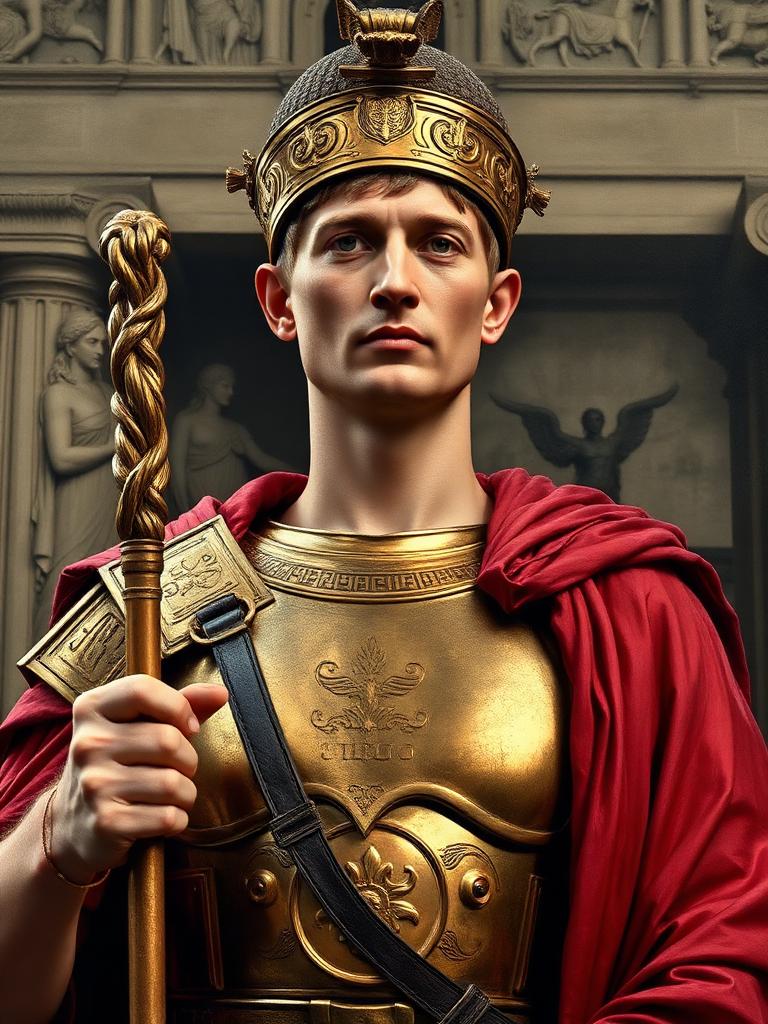
Augustus — The First Citizen
Coming Soon
63 BCE

Augustus

"The First Citizen"

Gaius Octavius (63 BCE–14 CE), adopted heir of Julius Caesar and first Emperor of Rome. Won the civil wars at Actium in 31 BCE, dissolved the Republic in all but name, and inaugurated the Pax Romana — two centuries of peace, roads, coinage and law that defined the Mediterranean world. Found Rome a city of brick and left it of marble.

Playing Style · Political Economy

Senate and treasury synergies: each turn cycles more CP and unlocks bigger plays.

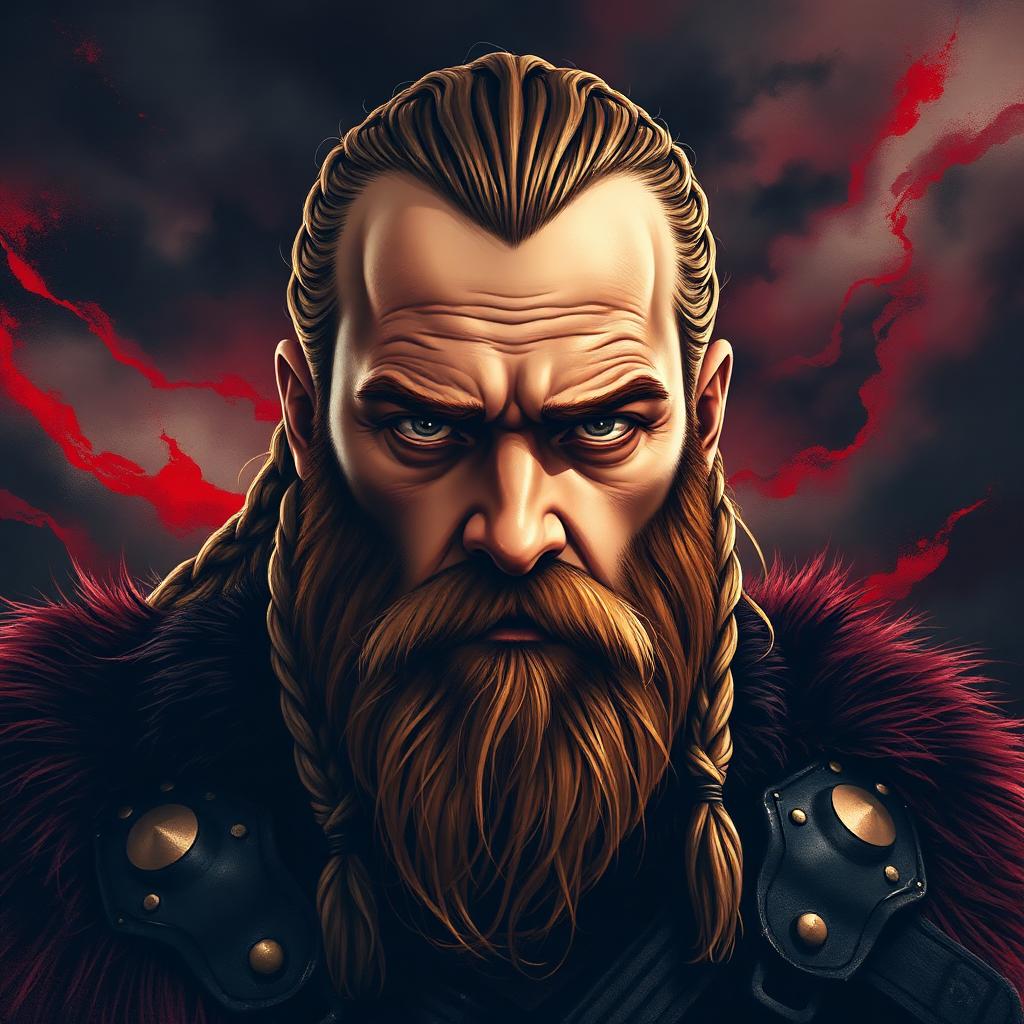
Ragnar Lothbrok — King of the Northmen
9th century · Scandinavia

Ragnar Lothbrok

"King of the Northmen"

Ragnar Lothbrok — semi-legendary Viking sea-king of the 9th century, raider of Paris and reputed scourge of Northumbria. Father of the brothers who launched the Great Heathen Army, he is the figure through whom the Norse world steps into recorded history: navigator, schemer, and patriarch of a saga dynasty.

Playing Style · Raider Tempo

Coastal strikes and longship redeploys. Loot territories, then vanish before the counter-attack lands.

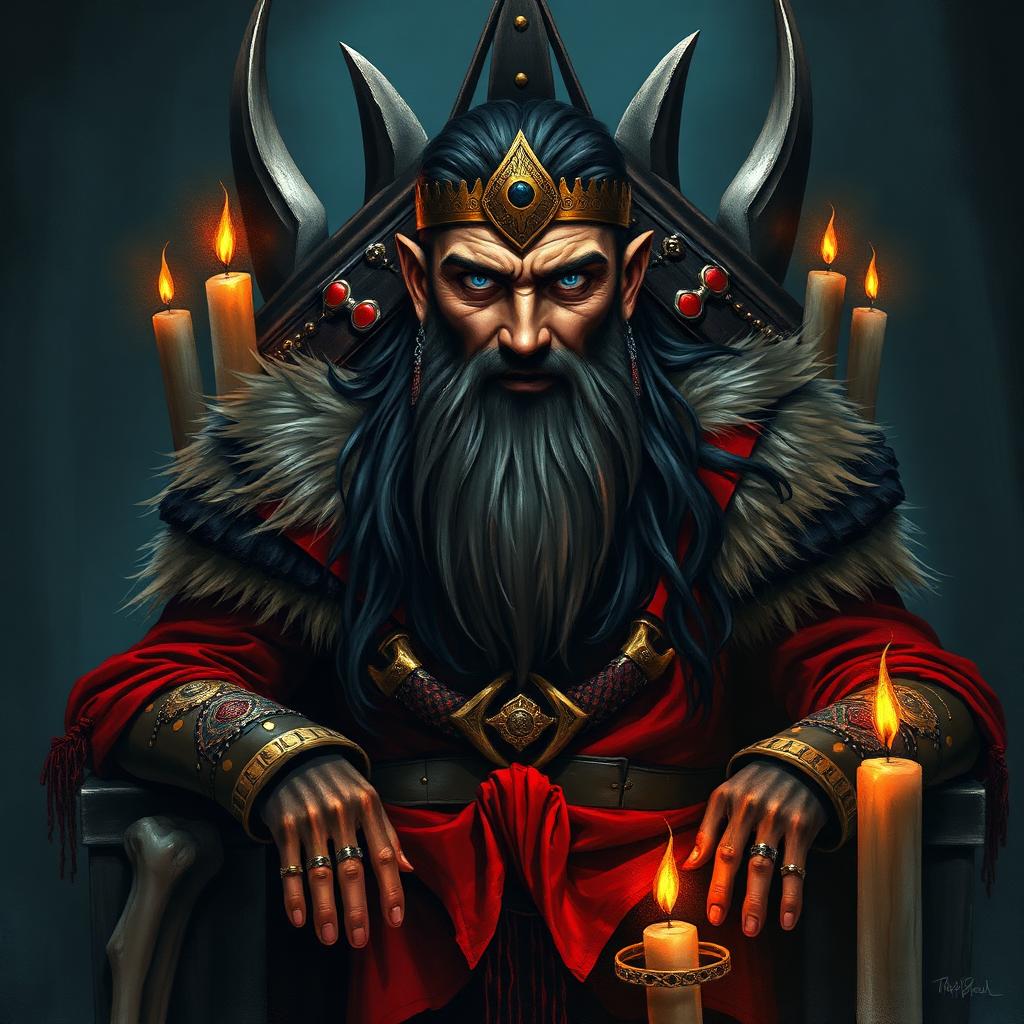
Ivar the Boneless — Architect of the Great Heathen Army
Coming Soon
9th century · Denmark

Ivar the Boneless

"Architect of the Great Heathen Army"

Ivar the Boneless (d. c. 873), eldest of Ragnar's sons and strategist of the Great Heathen Army that overran four Anglo-Saxon kingdoms. Carried into battle on a shield because of his condition, he commanded with cold intellect rather than personal violence — the rare berserker-age war-leader who won by planning.

Playing Style · Tactical Combo

Chains tactic cards into a single decisive turn — a deck that thinks three moves ahead.

Trajan — Optimus Princeps
Coming Soon
53 CE

Trajan

"Optimus Princeps"

Roman Emperor (r. 98–117 CE), the soldier-emperor under whom Rome reached its greatest territorial extent — from the Atlantic to the Persian Gulf. Conquered Dacia (gold and 50,000 slaves), broke Parthia, and built Trajan's Forum, Column and Markets. The Senate voted him Optimus, 'the best'.

Playing Style · Imperial Expansion

Each captured territory permanently buffs the army — snowballs hard once the conquest starts.

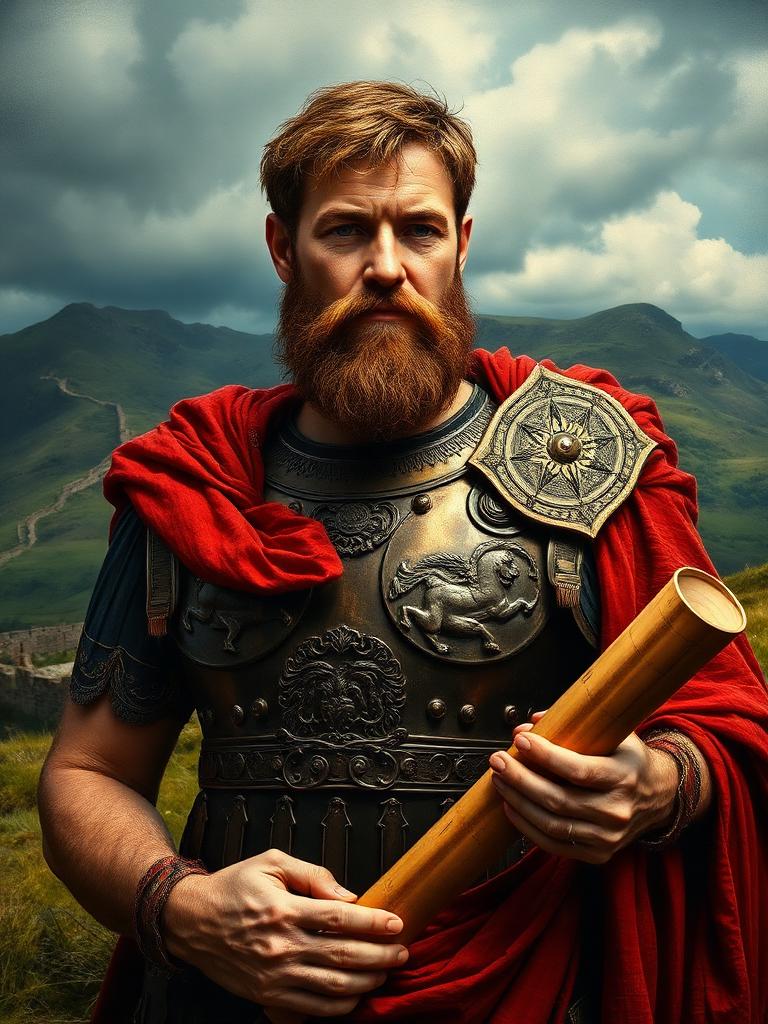
Hadrian — The Wall-Builder
Coming Soon
76 CE

Hadrian

"The Wall-Builder"

Roman Emperor (r. 117–138 CE) who chose consolidation over conquest. Toured every province in person, walked the frontier on foot, and raised Hadrian's Wall across northern Britain to mark the limit of Rome. Architect of the Pantheon and his own villa at Tivoli — a Hellenophile soldier-aesthete who fixed Rome's borders for three centuries.

Playing Style · Wall & Counter

Builds defensive lines that lock down regions, then counter-attacks with elite reserves.

Antoninus Pius — The Peaceful Emperor
Coming Soon
86 CE

Antoninus Pius

"The Peaceful Emperor"

Roman Emperor (r. 138–161 CE), fourth of the Five Good Emperors. Ruled 23 years without leaving Italy, fought no major wars, and yet held the empire at its zenith — the rare ruler whose reign is famous for what did not go wrong. Earned the title Pius for his loyalty to his predecessor and his care for the provinces.

Playing Style · Pax Stall

Generates CP and prestige without combat. Turtles into a late-game victory by score.

Marcus Aurelius — The Philosopher King
Coming Soon
121 CE

Marcus Aurelius

"The Philosopher King"

Roman Emperor (r. 161–180 CE) and last of the Five Good Emperors. Spent most of his reign on the Danube frontier fighting the Marcomannic Wars; by lamplight in his command tent he wrote the Meditations — twelve books of Stoic self-counsel that remain among the most-read works of philosophy ever written.

Playing Style · Stoic Resilience

Damage prevention and self-heal triggers. The deck that refuses to die.

Constantine the Great — The Christian Emperor
Coming Soon
272 CE

Constantine the Great

"The Christian Emperor"

Roman Emperor (r. 306–337 CE). Won the empire at the Milvian Bridge under the sign of the Cross, legalised Christianity with the Edict of Milan (313), and founded Constantinople as a new Rome that would outlive the old by a thousand years. Reshaped Western civilization with a single decree.

Playing Style · Faith Conversion

Convert enemy units under the Chi-Rho banner. Steal the army you're fighting.

Attila — Scourge of God
Coming Soon
406–453 · Hunnic Empire

Attila

"Scourge of God"

King of the Huns (r. 434–453), called 'Scourge of God' by terrified Roman chroniclers. Welded the steppe tribes into a single mounted host that broke the Danube frontier, ransomed Constantinople, and rode within sight of Rome itself — the man who taught the late empire that the horizon could come for it.

Playing Style · Mounted Burst

Speed kills. Charge cavalry, ignore terrain, and end the game before the opponent stabilises.

William the Conqueror — Duke of Normandy, King of England
Coming Soon
1028

William the Conqueror

"Duke of Normandy, King of England"

Duke of Normandy (c. 1028–1087) and the last man to successfully invade England. Crossed the Channel with 7,000 men in 1066, broke King Harold at Hastings under a hail of arrows, and was crowned at Westminster on Christmas Day. Replaced the Anglo-Saxon nobility wholesale, raised the Tower of London, and commissioned the Domesday Book — the most thorough survey of a kingdom anywhere in medieval Europe.

Playing Style · Norman Cavalry

Feigned retreat baits the enemy out of position, then heavy horse charges break the line.

Saladin — Sultan of Egypt and Syria
Coming Soon
1137–1193 · Ayyubid

Saladin

"Sultan of Egypt and Syria"

Salah ad-Din (1137–1193), Kurdish sultan who unified Egypt, Syria and the Hejaz, crushed the Crusader army at Hattin in 1187, and retook Jerusalem after 88 years of Frankish rule. Famous on both sides of the line for chivalry — sending his own physician to treat his enemy Richard the Lionheart.

Playing Style · Adaptive Counter

Reads the opponent: matches their archetype, then exploits the matchup with chivalry-buffed units.

Genghis Khan — Khan of Khans
1162–1227 · Mongolia

Genghis Khan

"Khan of Khans"

Temüjin (c. 1162–1227), who united the Mongol clans and forged the largest contiguous land empire in history. Pioneered combined-arms cavalry, a meritocratic officer corps, the Yam postal relay, and a written legal code (the Yassa). Killed more men than any general before him — and connected more cities than any after.

Playing Style · Swarm Cavalry

Cheap horse archers everywhere. Outpace, outshoot, and outscale through sheer card velocity.

Timur — Sword of Islam, Scourge of Asia
Coming Soon
1336

Timur

"Sword of Islam, Scourge of Asia"

Turco-Mongol conqueror (1336–1405) who rose from a minor Barlas chieftain to forge an empire from the Volga to the Indus. Crushed the Golden Horde, sacked Delhi, and captured the Ottoman sultan Bayezid I in an iron cage — yet patronised astronomy, architecture and theology, making Samarkand the wonder of the medieval world.

Playing Style · Burn & Plunder

Sack territories for a one-turn CP spike, then move on. High-risk, high-reward raids.

Joan of Arc — The Maid of Orléans
Coming Soon
1412–1431 · France

Joan of Arc

"The Maid of Orléans"

Joan of Arc (1412–1431), an illiterate French peasant girl who, claiming saintly visions, broke the English siege of Orléans in nine days and crowned Charles VII at Reims. She turned the Hundred Years' War on its hinge, was burned at nineteen, and 489 years later was made a saint.

Playing Style · Inspired Aggro

Faith buffs every allied unit on the board. A single rally turn can flip a losing game.

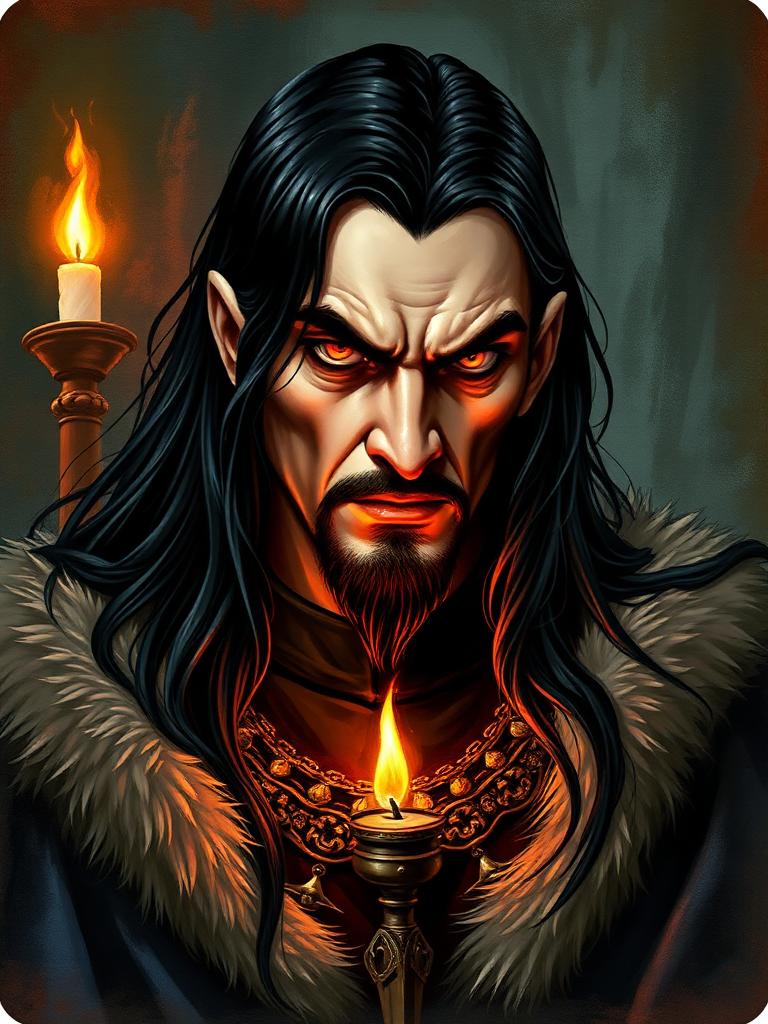
Vlad III — The Impaler
Coming Soon
1431–1476 · Wallachia

Vlad III

"The Impaler"

Vlad III Drăculea (1431–1476), Voivode of Wallachia and ferocious defender of Christendom's Danube frontier. Ransomed as a child to the Ottomans, he returned to wage a guerrilla war against Mehmed II — including the night attack at Târgoviște — and impaled tens of thousands. Tyrant to some, national hero to others, immortal in fiction as Dracula.

Playing Style · Attrition Terror

Punish overextension: traps, debuffs and impale-on-death triggers grind the opponent out.

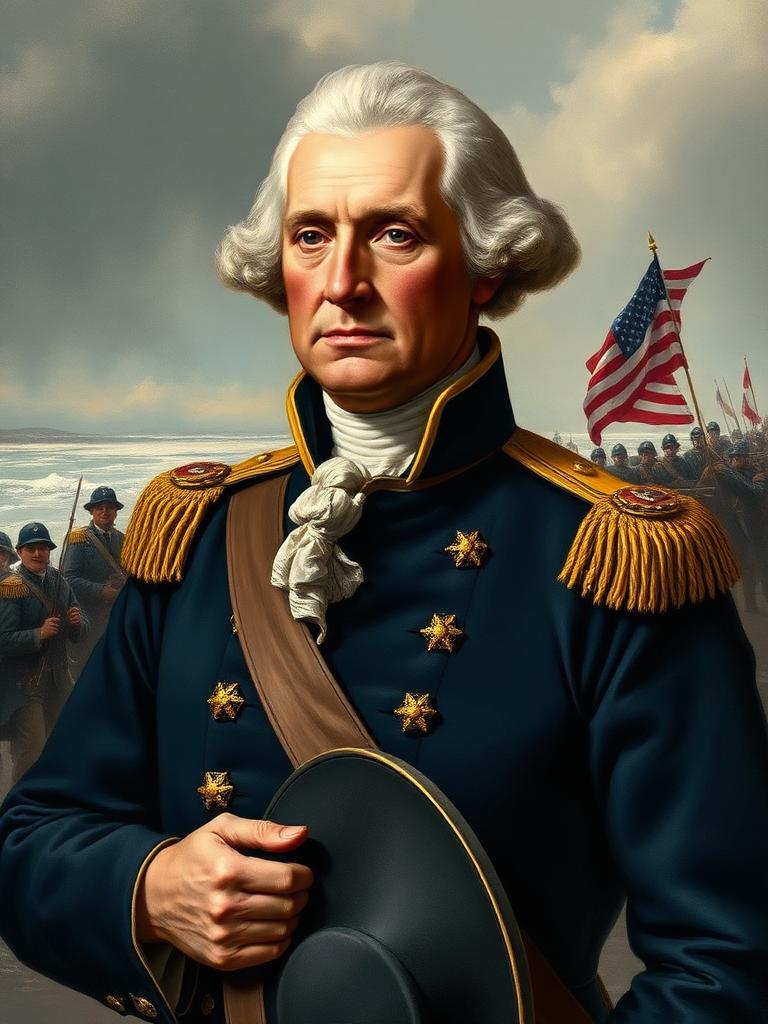
George Washington — The Indispensable Man
Coming Soon
1732

George Washington

"The Indispensable Man"

Commander-in-Chief of the Continental Army (1732–1799) and first President of the United States. Held a starving, unpaid army together for eight years against the world's foremost military power, won independence at Yorktown in 1781 — and then, uniquely in history, voluntarily surrendered power. The republic's founding act of restraint.

Playing Style · Citizen Militia

Cheap recruits that grow stronger as the war drags on. Outlasts the empire opposite.

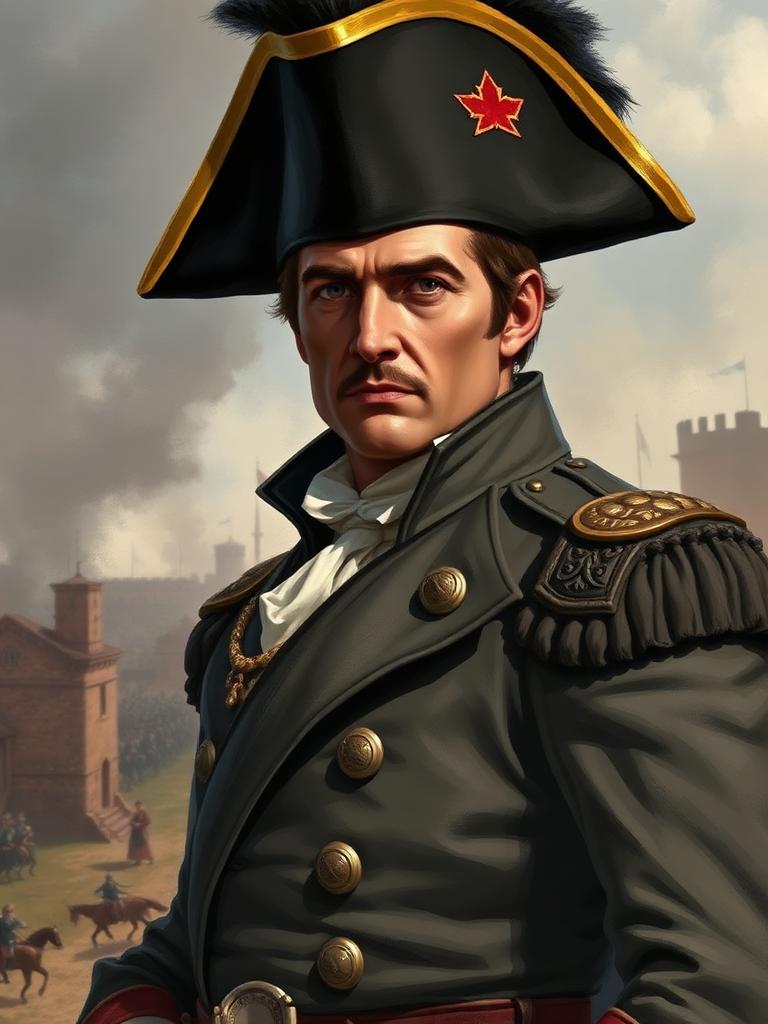
Napoleon — L'Empereur
Coming Soon
1769–1821 · France

Napoleon

"L'Empereur"

Napoleon Bonaparte (1769–1821), Corsican artillery officer who became Emperor of the French and rewrote European warfare. The corps system, massed batteries, and lightning operational tempo are his. So is the Code Napoléon — the civil law that still underpins half the world's legal systems.

Playing Style · Artillery Tempo

Massed-batteries control the centre, then a Grande Armée corps hits a single flank — pure operational tempo.

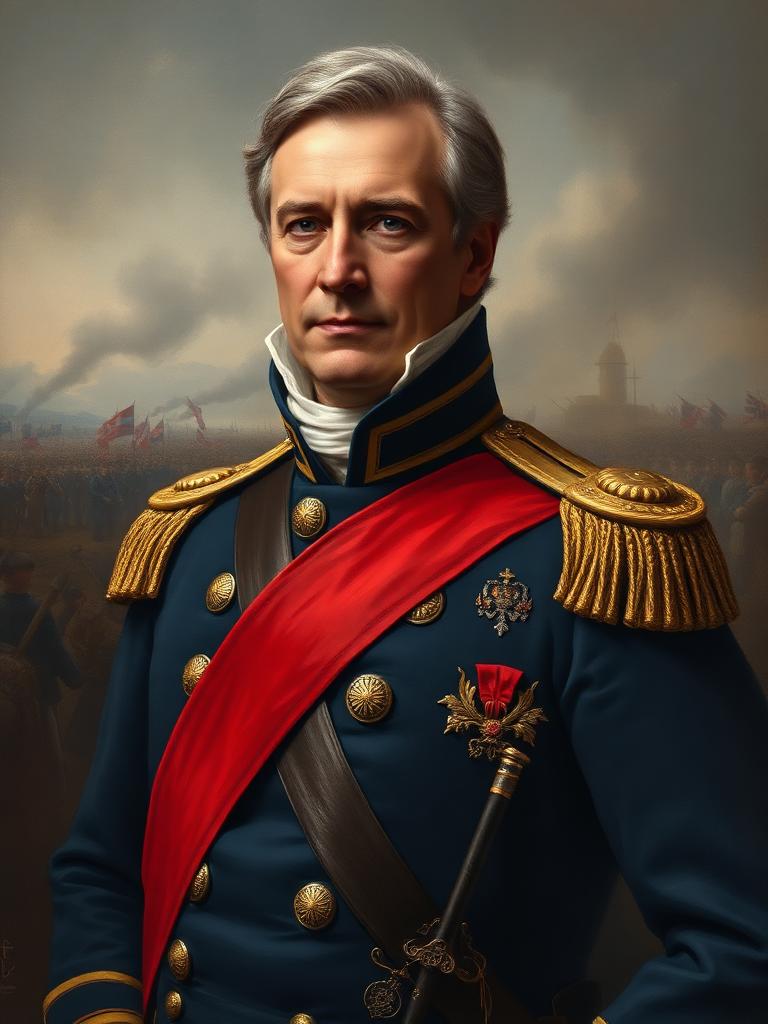
Arthur Wellesley — The Iron Duke
Coming Soon
1769

Arthur Wellesley

"The Iron Duke"

1st Duke of Wellington (1769–1852), the only general to defeat Napoleon in the field. A master of the reverse-slope defence and combined Anglo-allied command, he won the Peninsular War and shattered the Grande Armée at Waterloo in 1815 — ending 23 years of European war and shaping the century that followed.

Ulysses S. Grant — Unconditional Surrender
Coming Soon
1822

Ulysses S. Grant

"Unconditional Surrender"

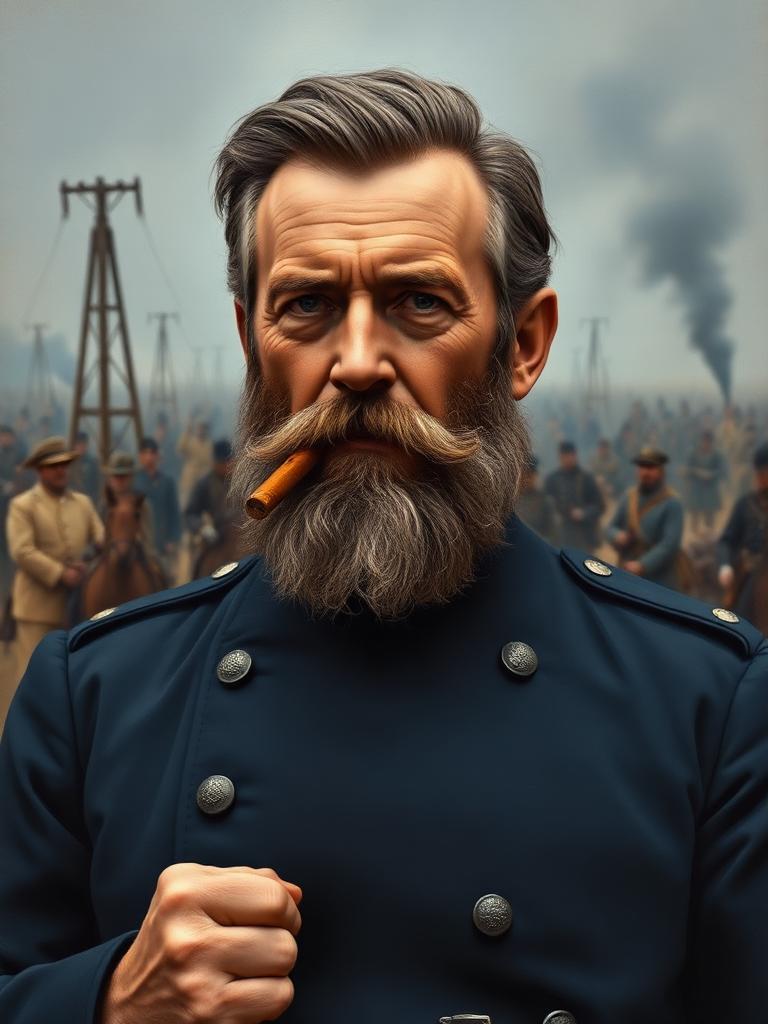
Commanding General of the United States Army (1822–1885). The first modern general — coordinating armies across a continent by telegraph, accepting attrition as a strategy, and refusing to retreat. Took Vicksburg, broke Lee at Appomattox, and ended the American Civil War; later served two terms as President.

Winston Churchill — The Lion of Britain
Coming Soon
1874

Winston Churchill

"The Lion of Britain"

Prime Minister of the United Kingdom (1874–1965). A soldier in four wars before he was thirty, then the wartime statesman who, in 1940, refused terms with Nazi Germany and rallied a besieged island through the Blitz. His oratory armed a free world, and his strategic instinct held the alliance together until victory.

Playing Style · Wartime Rally

Anti-loss triggers: the closer you are to defeat, the bigger the buffs the deck deploys.

Dwight D. Eisenhower — Supreme Commander
Coming Soon
1890

Dwight D. Eisenhower

"Supreme Commander"

Supreme Allied Commander, Europe (1890–1969). Planned and led Operation Overlord — the largest amphibious assault in history — landing 156,000 men on the beaches of Normandy on 6 June 1944. Wielded the multinational alliance with quiet diplomacy as much as steel; later 34th President of the United States and architect of the Interstate Highway System.

Playing Style · Coalition Logistics

Mixed-allegiance synergies. Coordinate three sub-armies into one massive landing turn.

Erwin Rommel — The Desert Fox
Coming Soon
1891

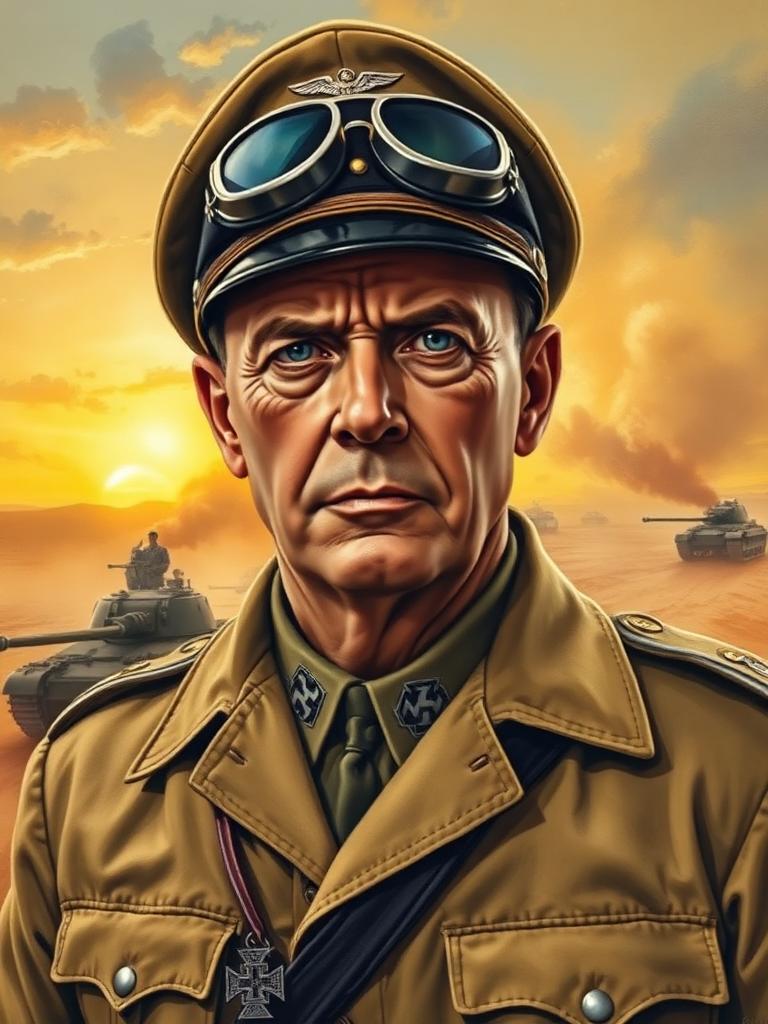
Erwin Rommel

"The Desert Fox"

German Field Marshal (1891–1944), commander of the 7th Panzer Division in France and the Afrika Korps in North Africa. Renowned even among his enemies for chivalry, speed and tactical genius. Implicated in the July 20 plot against Hitler, he was forced to take his own life.

Playing Style · Mechanised Blitz

Move twice per turn, encircle isolated units. Punishes any opponent who plays too wide.

Võ Nguyên Giáp — Red Napoleon
Coming Soon
1911

Võ Nguyên Giáp

"Red Napoleon"

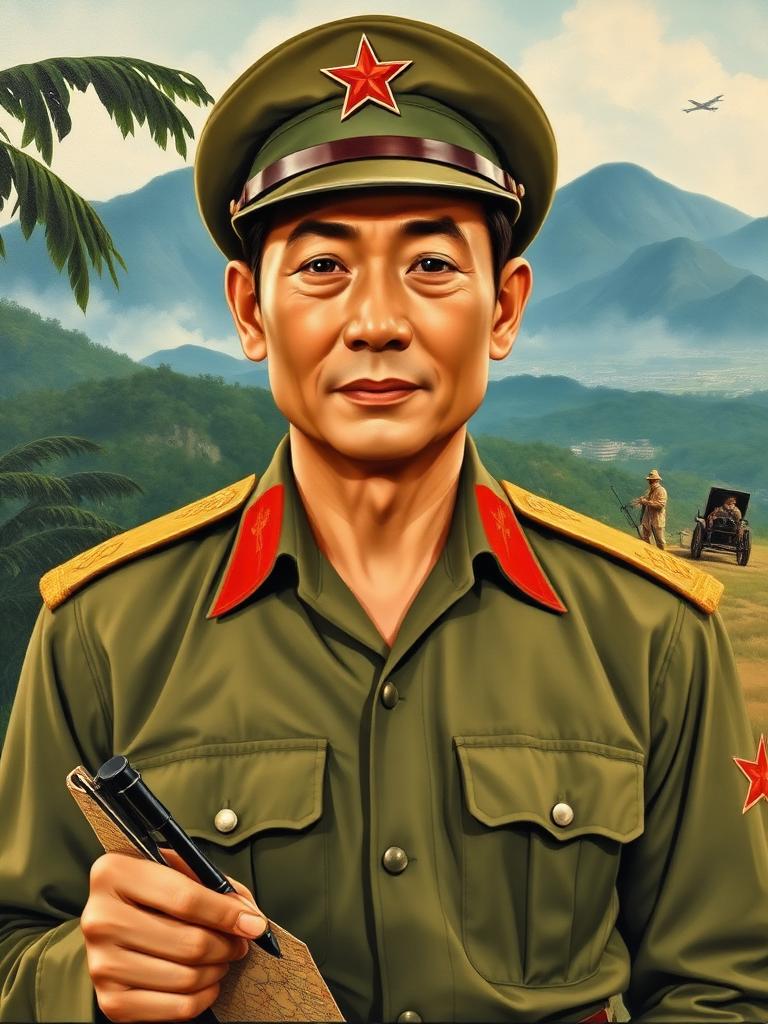
Vietnamese general (1911–2013), self-taught strategist who defeated three Western powers in succession. At Dien Bien Phu in 1954 he hauled artillery up jungle mountains by hand to crush the French; he then orchestrated the Tet Offensive and the eventual American withdrawal. Master of people's war and protracted strategy.

Playing Style · Asymmetric Guerrilla

Hidden units, ambush from terrain, and protracted attrition. Wins by refusing to fight on the enemy's terms.

King Arthur — Once and Future King
Coming Soon
Camelot · Legend

King Arthur

"Once and Future King"

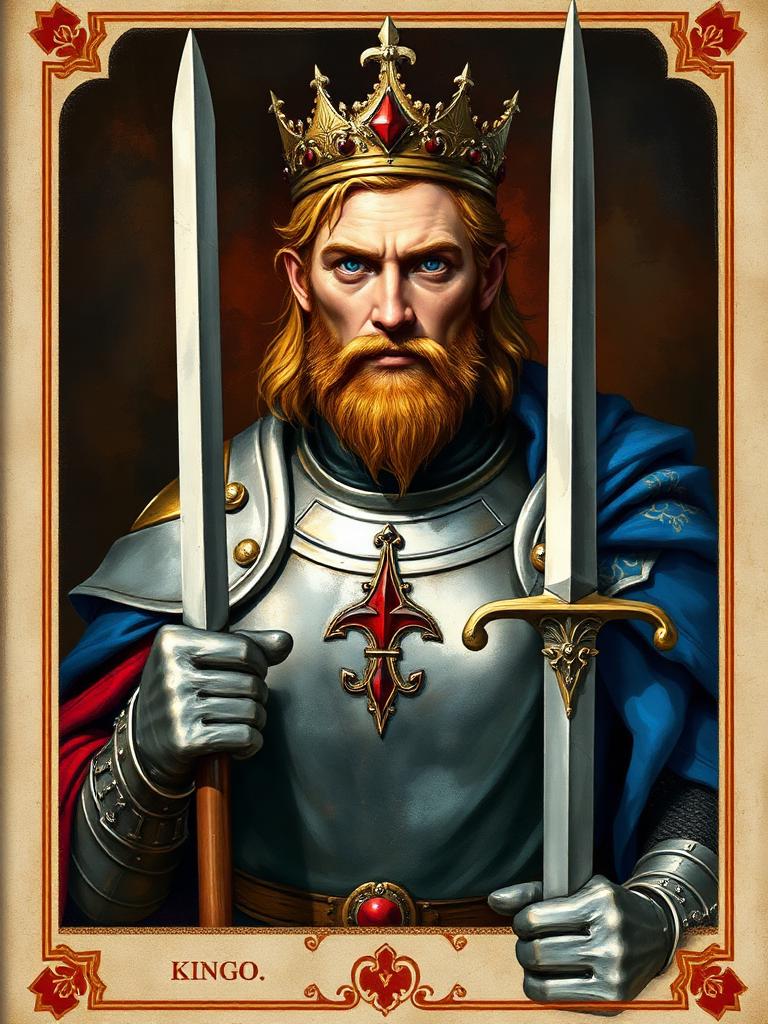
Legendary war-king of the Britons who, in the chaos after Rome's withdrawal, is said to have rallied the Romano-Celtic kingdoms and broken the Saxon advance at Mount Badon. Whether man or composite myth, his Round Table reshaped the western idea of leadership: power as service, knighthood as code.

Playing Style · Knight Synergy

Buff a small core of elite knights into unkillable champions — quality over quantity.

Campaign Foes

Enemies of the Campaigns

Historical commanders who stand against you in single-player Campaign Mode. All Coming Soon as playable cards.

Darius III
Coming Soon

Darius III

Achaemenid Persia

c. 380–330 BCE

Last Achaemenid Great King. Faced Alexander at Issus and Gaugamela; lost an empire of twenty satrapies in three battles before being murdered by his cousin Bessus in flight.

Memnon of Rhodes
Coming Soon

Memnon of Rhodes

Achaemenid Persia

c. 380–333 BCE

Greek-born commander of the Persian war effort against Alexander. Argued for a scorched-earth strategy the satraps refused at the Granicus, and died of fever before he could try it at sea.

Azemilcus
Coming Soon

Azemilcus

Phoenicia

r. c. 347–309 BCE

King of the island fortress of Tyre, who held out for seven months against Alexander's mole and siege towers in 332 BCE.

Batis
Coming Soon

Batis

Persian Garrison

d. 332 BCE

Persian-appointed commander of Gaza who refused Alexander's terms and held the city for two months. Wounded the king with a thrown spear before the walls finally fell.

Ariobarzanes
Coming Soon

Ariobarzanes

Persian Last Stand

d. 330 BCE

Held the Persian Gate against Alexander with seven hundred horse and forty thousand foot. Outflanked at last by a goat-track, he died in the rear-guard.

Oxyartes
Coming Soon

Oxyartes

Sogdian Rebels

fl. 327 BCE

Bactrian noble whose mountain fortress Alexander stormed by night-climbers. After surrender Alexander married his daughter Roxana and pacified the eastern frontier.

Divico
Coming Soon

Divico

Helvetii

fl. 107–58 BCE

Veteran chieftain who once destroyed a Roman army on the Rhône. Led the Helvetian migration of 368,000 souls into Gaul — and met Caesar at Bibracte.

Ariovistus
Coming Soon

Ariovistus

Suebi Germans

d. c. 54 BCE

Suebian king who crossed the Rhine to settle in Gaul. Defeated by Caesar at the Vosges in 58 BCE; the survivors fled back across the river.

Boduognatus
Coming Soon

Boduognatus

Nervii

fl. 57 BCE

Belgic war-chief who ambushed Caesar mid-camp at the Sabis. The Nervii fought to the last man; Caesar wrote that they were 'almost annihilated as a people.'

Cassivellaunus
Coming Soon

Cassivellaunus

British Tribes

fl. 54 BCE

Catuvellauni chieftain elected to lead the British defence against Caesar's second invasion. Forced to terms after his hill-fort north of the Thames was stormed.

Vercingetorix
Coming Soon

Vercingetorix

United Gauls

82–46 BCE

Arvernian noble who united every Gallic tribe in the great revolt of 52 BCE. Trapped at Alesia, he surrendered alone to Caesar and was kept six years in chains for the triumph.

Pompey the Great
Coming Soon

Pompey the Great

Optimates of Rome

106–48 BCE

Roman general who pacified Spain, smashed the pirates and conquered the East. Caesar's son-in-law and rival; defeated at Pharsalus, murdered on an Egyptian beach.

Pharnaces II
Coming Soon

Pharnaces II

Kingdom of Pontus

c. 97–47 BCE

Son of Mithridates the Great. Tried to retake his father's empire while Rome's civil war raged. Caesar broke him at Zela in five days — veni, vidi, vici.

Metellus Scipio
Coming Soon

Metellus Scipio

Optimates of Africa

c. 95–46 BCE

Pompey's father-in-law and senior optimate after Pharsalus. Reformed an army in North Africa with 64 war elephants — and lost it all in an afternoon at Thapsus.

Gnaeus Pompey the Younger
Coming Soon

Gnaeus Pompey the Younger

Pompeian Remnant

c. 75–45 BCE

Eldest son of Pompey the Great. Raised the last Pompeian army in Spain. Caesar broke him at Munda; his brother Sextus would fight on at sea.

Council of Saguntum
Coming Soon

Council of Saguntum

Roman Allies

fl. 219 BCE

Iberian city allied to Rome whose stubborn eight-month resistance to Hannibal's siege provided the casus belli of the Second Punic War.

Volcae Chieftains
Coming Soon

Volcae Chieftains

Gallic Tribes

fl. 218 BCE

Gallic tribes who tried to bar Hannibal at the Rhône crossing and were outflanked when Hanno's detachment forded upstream by night.

Sempronius Longus
Coming Soon

Sempronius Longus

Roman Republic

fl. 218 BCE

Roman consul of 218 BCE. Goaded by Hannibal into crossing the icy Trebia at dawn on an empty stomach. Two-thirds of his army was destroyed before noon.

Gaius Flaminius
Coming Soon

Gaius Flaminius

Roman Republic

d. 217 BCE

Populist consul who marched after Hannibal without scouts and was ambushed in mist by Lake Trasimene. He died with 15,000 Romans on the lakeshore.

Varro & Paullus
Coming Soon

Varro & Paullus

Roman Republic

fl. 216 BCE

The two consuls who alternated command of 86,000 Romans against Hannibal at Cannae. Paullus died in the line; Varro lived to rebuild the Republic.

Marcus Claudius Marcellus
Coming Soon

Marcus Claudius Marcellus

Roman Republic

c. 268–208 BCE

Five-time consul, the first Roman general to fight Hannibal to a draw at Nola. Killed in an ambush in 208 BCE — Hannibal himself buried him with full honours.

Gaius Livius Salinator
Coming Soon

Gaius Livius Salinator

Roman Garrison

fl. 212 BCE

Held the citadel of Tarentum after Hannibal stormed the town by stealth in 212 BCE. The citadel never fell — and the Romans retook the city three years later.

Gaius Claudius Nero
Coming Soon

Gaius Claudius Nero

Roman Republic

fl. 207 BCE

Roman consul who slipped away from Hannibal in southern Italy with 7,000 picked men, marched 250 miles in a week, and destroyed Hasdrubal's army at the Metaurus.

Scipio Africanus
Coming Soon

Scipio Africanus

Roman Republic

236–183 BCE

The young Roman who studied Hannibal's tactics and used them against him. Took Spain at 25, invaded Africa at 32, and defeated Hannibal at Zama in 202 BCE.

Royal Concubine Corps
Coming Soon

Royal Concubine Corps

Court of Wu

c. 512 BCE

180 palace women given to Sun Tzu by King Helu of Wu as a test of his military theory. Two captains were executed for laughing in the ranks; the rest marched perfectly.

Lord of Shu
Coming Soon

Lord of Shu

State of Chu

fl. 511 BCE

Chu border lord overcome in Sun Tzu's first feint-and-strike on the western frontier of Chu in 511 BCE.

Garrisons of Liu and Qian
Coming Soon

Garrisons of Liu and Qian

State of Chu

fl. 511 BCE

Twin Chu garrison towns taken in sequence as Sun Tzu rotated his three armies through a six-year war of exhaustion.

Warden of Yu
Coming Soon

Warden of Yu

State of Chu

fl. 508 BCE

Lord of Yu in central Chu, defeated by Sun Tzu after the Chu reserves had been drained by years of feinted attacks.

Wei Yue
Coming Soon

Wei Yue

State of Chu

fl. 508 BCE

Chu commander defeated at the river battle of Yuzhang when Sun Tzu's Wu marines burned his anchored fleet.

Nang Wa
Coming Soon

Nang Wa

Chu Grand Army

fl. 506 BCE

Senior minister and field commander of Chu, broken at Boju by Sun Tzu and Wu Zixu after a 200-mile forced march and three river crossings.

King Zhao of Chu
Coming Soon

King Zhao of Chu

State of Chu

r. 515–489 BCE

King of the great southern state of Chu. Fled the capital Ying when Wu rode in five days after Boju; only the intervention of Qin restored him to his throne.

King Yun Chang of Yue
Coming Soon

King Yun Chang of Yue

State of Yue

r. 510–496 BCE

King of Yue who raided Wu while it was overextended in Chu. Sun Tzu turned his army around and defeated him at Jisao before retiring from public life.

In the Box

Premium components, built to last.

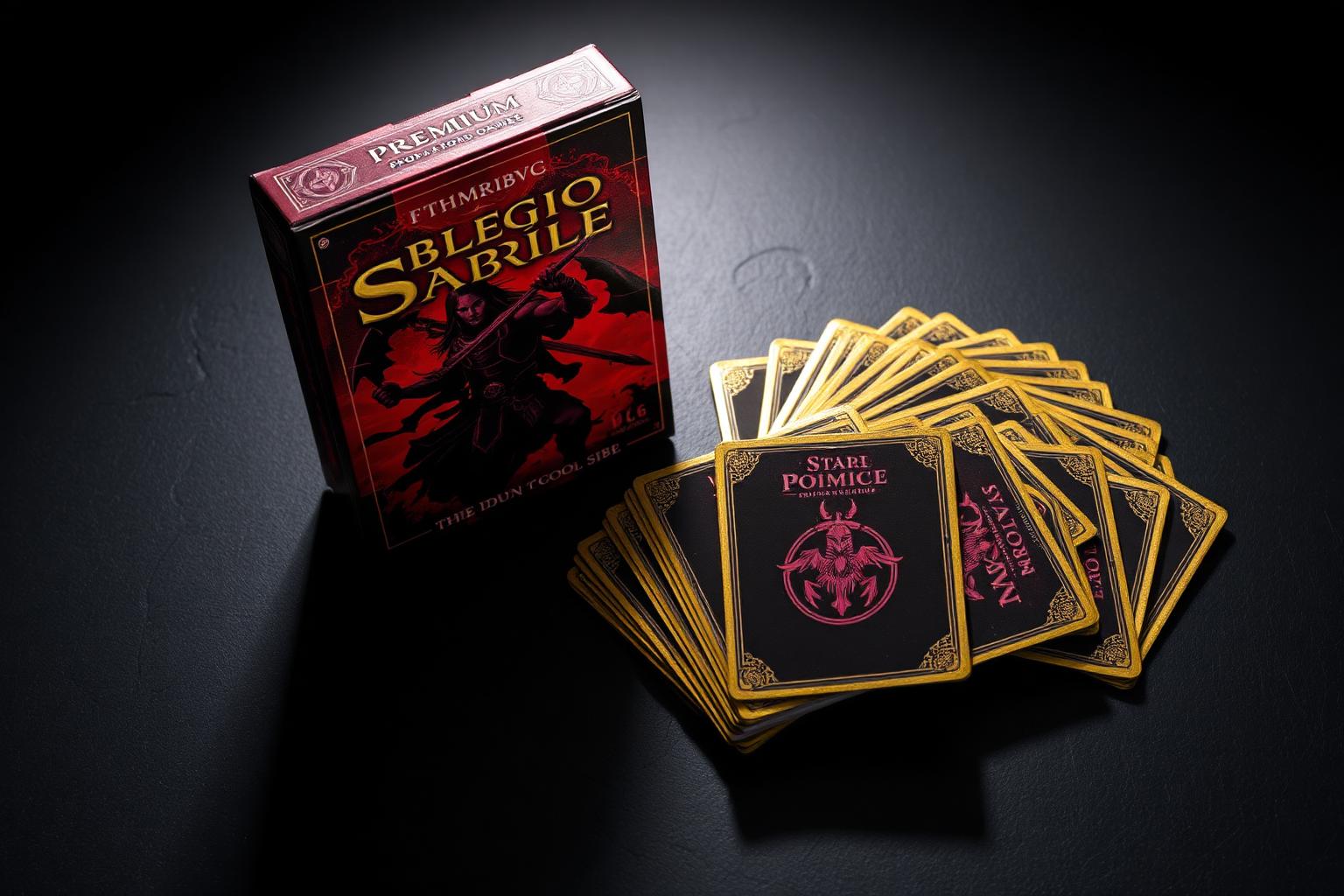
The Conquest box and a fanned deck of cards
  • 9 Commander Cards

    Each illustrated by hand, foil-stamped, on premium 350gsm linen-finish stock.

  • 120+ Force, Tactic & Territory Cards

    Beautifully tuned for variety. Every game tells a different story.

  • Custom Battle Tokens

    Heavy-weight metal coins for victory tracking. Yes, they clink.

  • Cloth Battle Map

    A 24×18 inch printed cotton map that doubles as the most stylish placemat you own.

  • Codex of Legends

    A 48-page lore book on every commander, era, and the wars that shaped them.

Behind the Scenes

From sketch to legend.

Concept
Concept

Mood boards, era research, weapon studies.

Illustration
Illustration

Hand-painted portraits, refined over weeks.

Production
Production

Premium printing, foil stamping, factory QA.